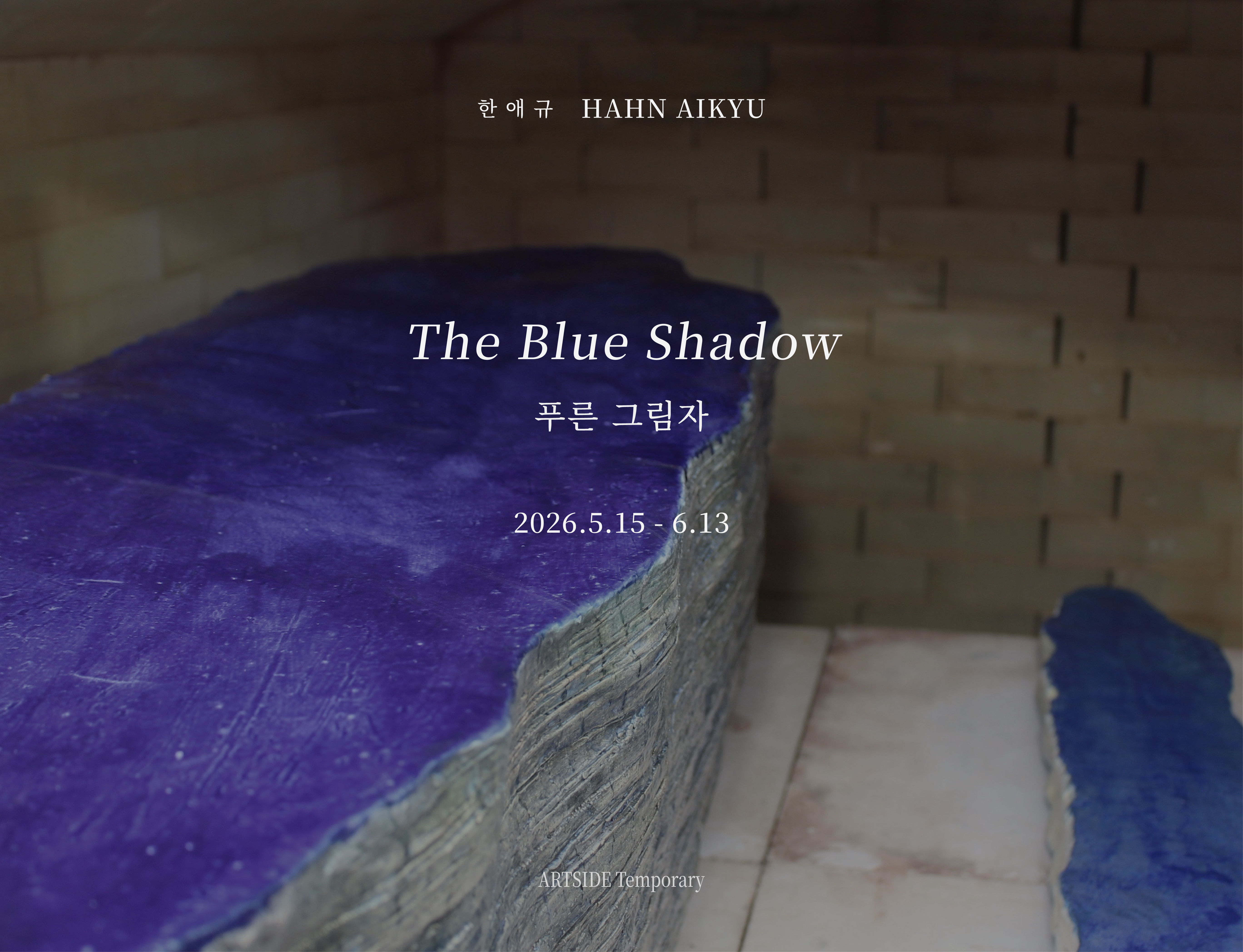
Hahn Aikyu
- 푸른 그림자
May 15, 2026 - June 13, 2026
“온 사방에 물결이 일렁이는 그곳 바닷가를 거닐다
내 그림자가 바다에 드리워진 것을 본 것 같다.
상상이었을지도 모른다.
그 바다와 그림자에 대한 기억은 하도 강렬하여
내가 뭍으로 돌아와 거리를 헤맬 때도
바다 물결이 출렁이던 곳, 흔들리던 푸른 그림자가 나를 따라다닌다.
그 그림자가 도시의 회색 벽에, 시멘트 계단에, 내 작업실 입구에,
사방에 드리워져 내 가슴을 일렁이게 한다.” – 한애규, 여행이라는 이름의 사색의 시간, 213p.
한애규(b.1953)는 1980년대부터 테라코타라는 매체를 통해 흙 본연의 질감과 색채를 탐구하며 대지의원초적인 생명력을 구현한다. 유약을 바르지 않고 고온의 불을 견뎌낸 단단한 형태 안에 주관적 메시지를 담아낸 그의 테라코타는 한국 현대 도예의 지평을 넓혀왔다. 한애규의 작업 세계를 관통하는 핵심 메시지는 ‘여성성’에 대한 사유다. 가부장적 질서와 일상의 구속을 벗어나 주체적인 자아를 찾아가는 과정은 풍만한 곡선과 대범한 선형의 인물상으로 형상화되었다. 이번 개인전 《푸른 그림자》는 그간 작가가 구축해온 테라코타의 견고한 서사 위에 지속적으로 탐구해왔던 푸른 유약을 공간 전체로 확장하여 선보이는 자리다. 그의 작품들은 뜨거운 불의 과정을 거쳐 역설적으로 물의 속성을 획득하며 전시 공간을 물들인다.
푸른 그림자는 작가가 바닷가를 거닐다 목격한 자신의 그림자로부터 출발한다. 그림자는 대상이 공간을 점유하고 있다는 증거이자, ‘그 자리에 실제로 존재했음’을 알리는 현존(Presence)의 지표다. 고대 문헌학적 관점에서 그림자와 형상(Image)은 동일한 뿌리를 공유한다. 형상을 뜻하는 단어가 그림자의 윤곽으로부터 기원했듯, 작가에게 그림자를 목격하는 행위는 곧 스스로의 실존을 확인하는 의식과도 같았다.
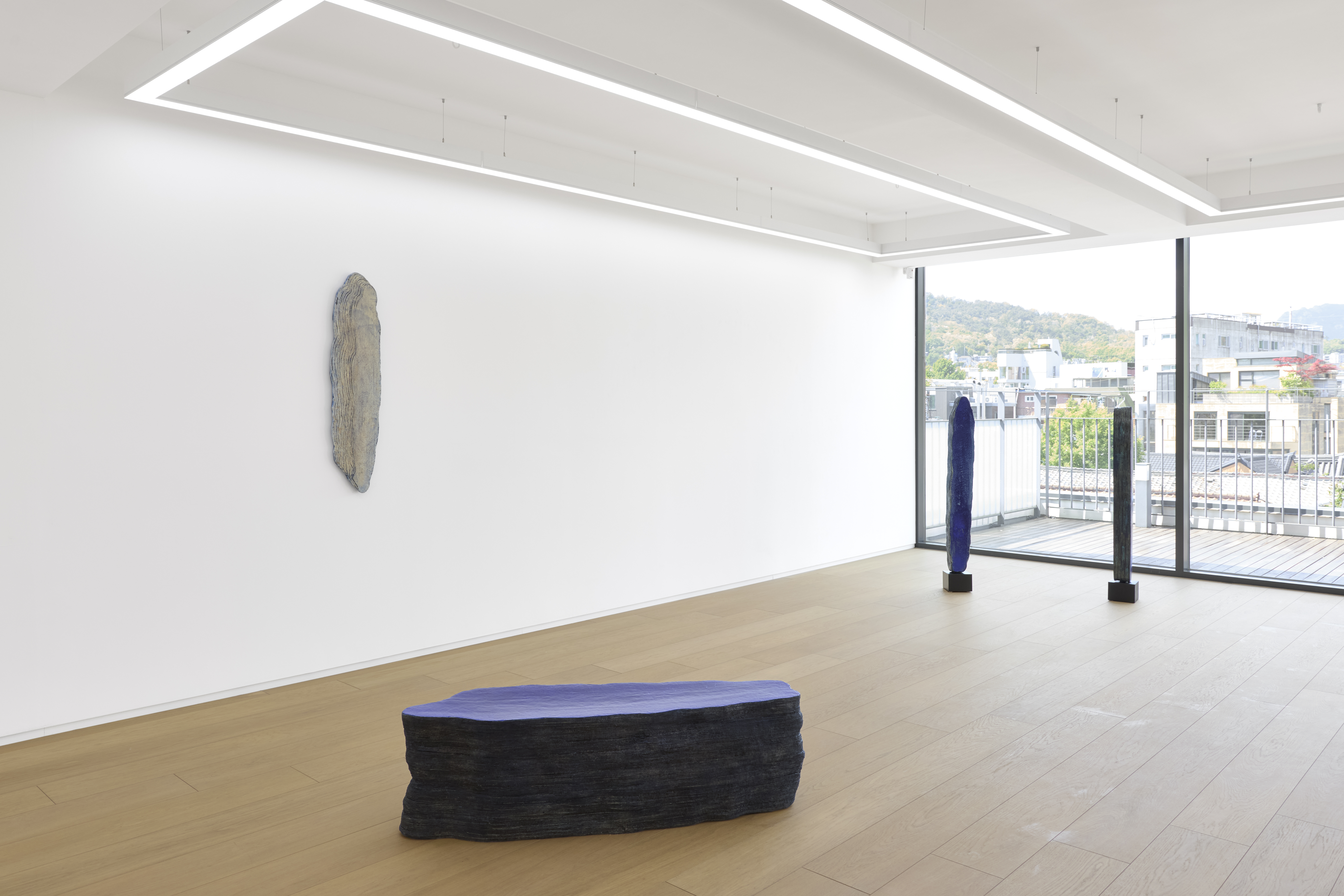
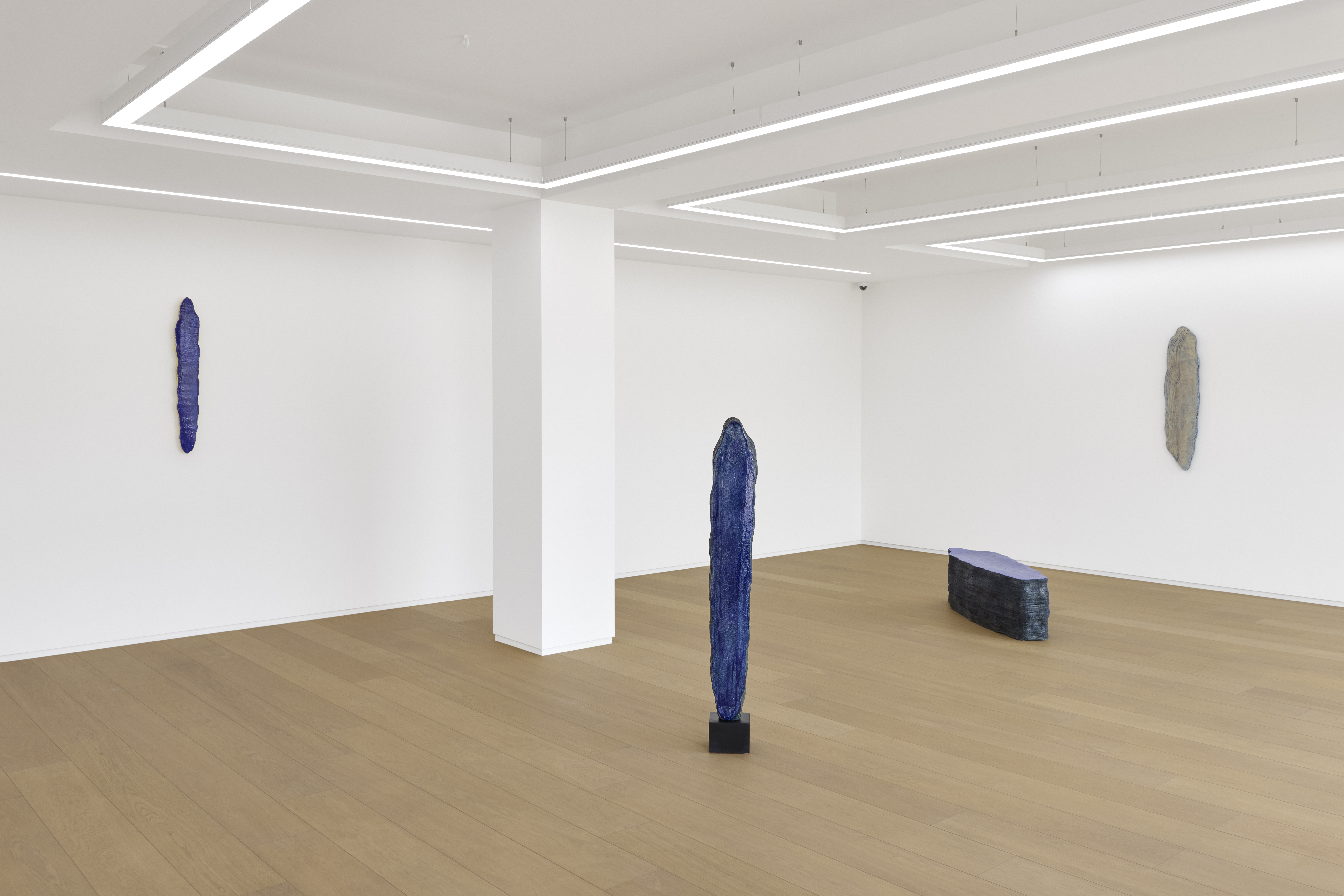
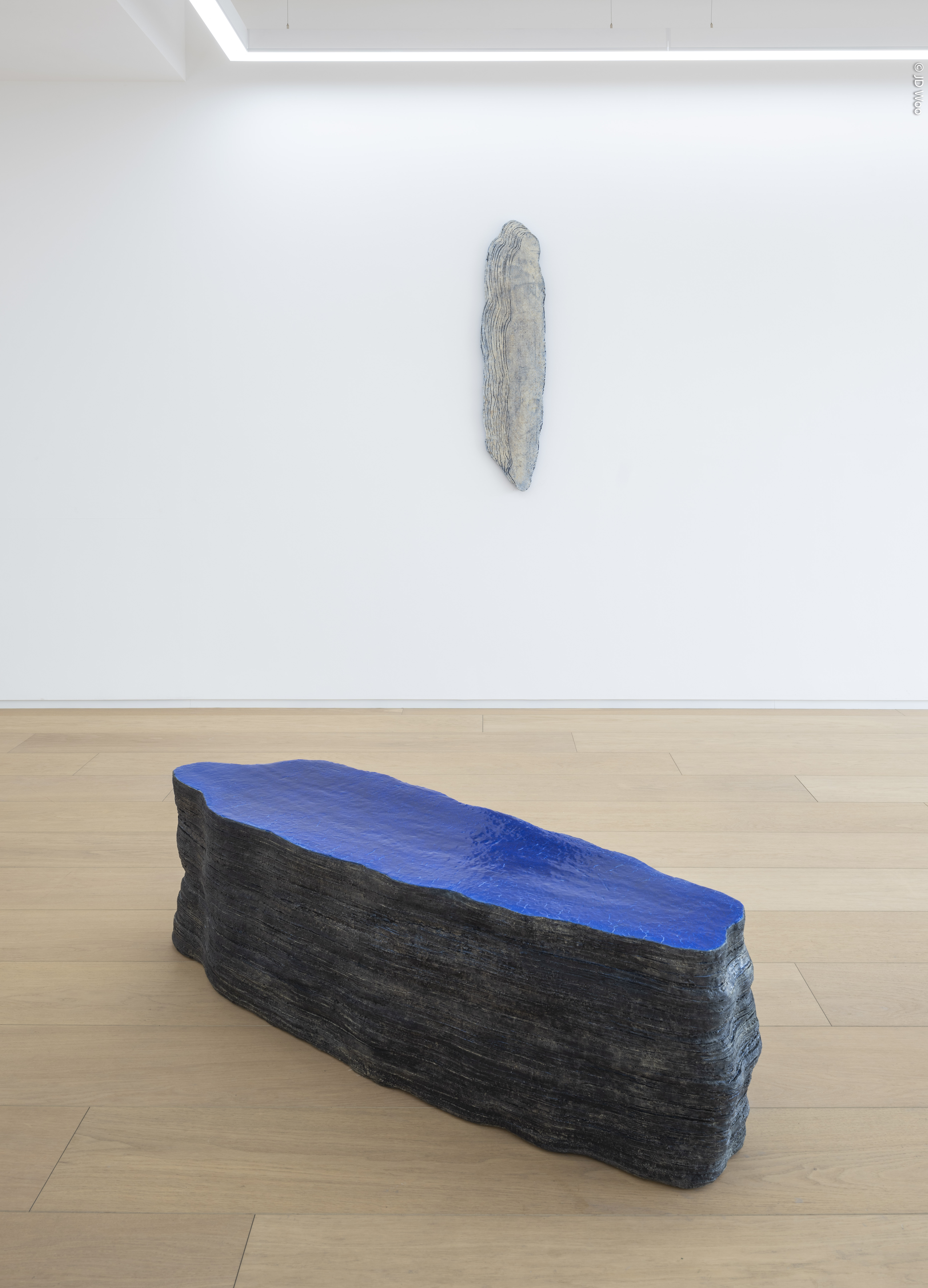
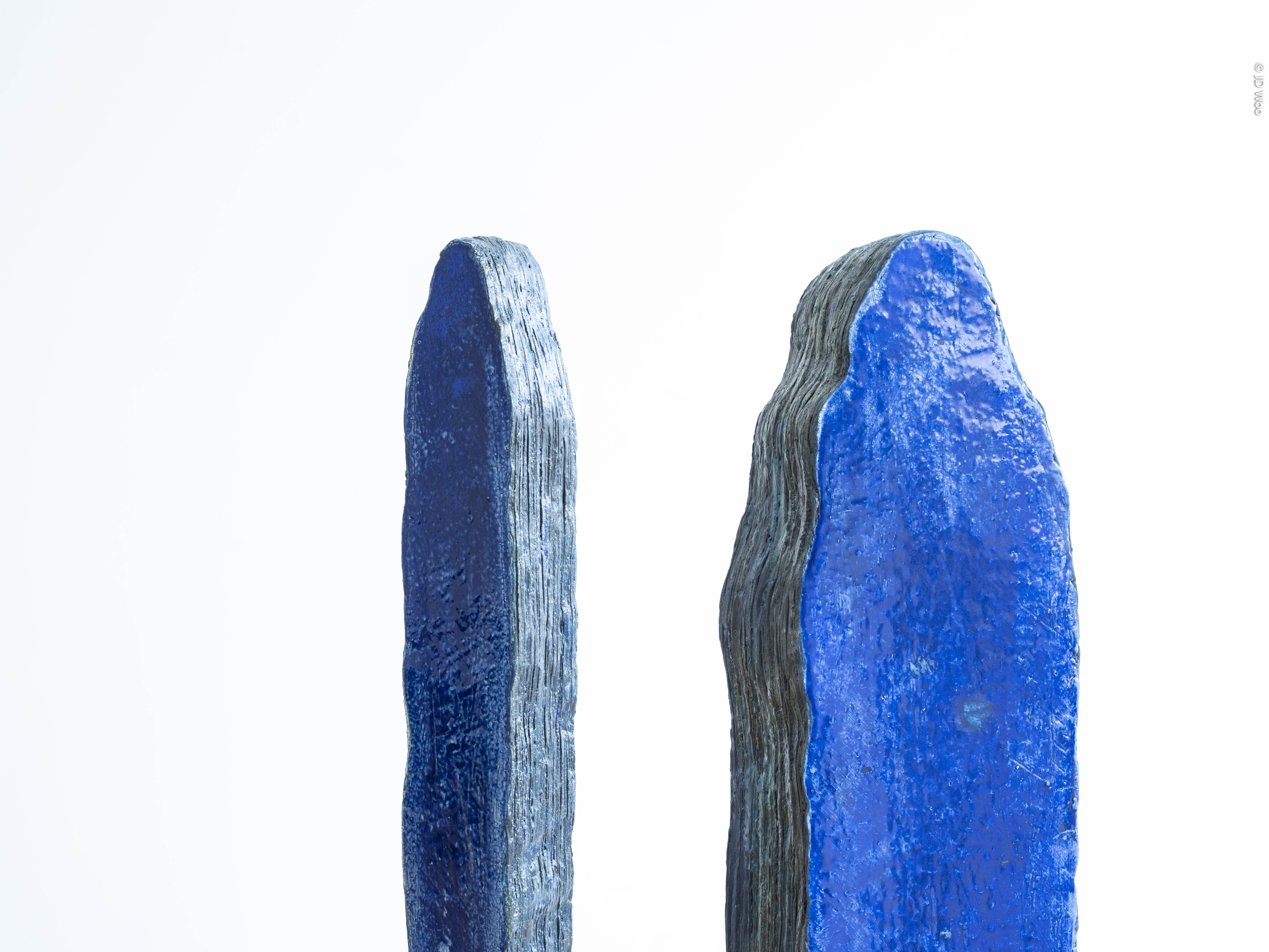
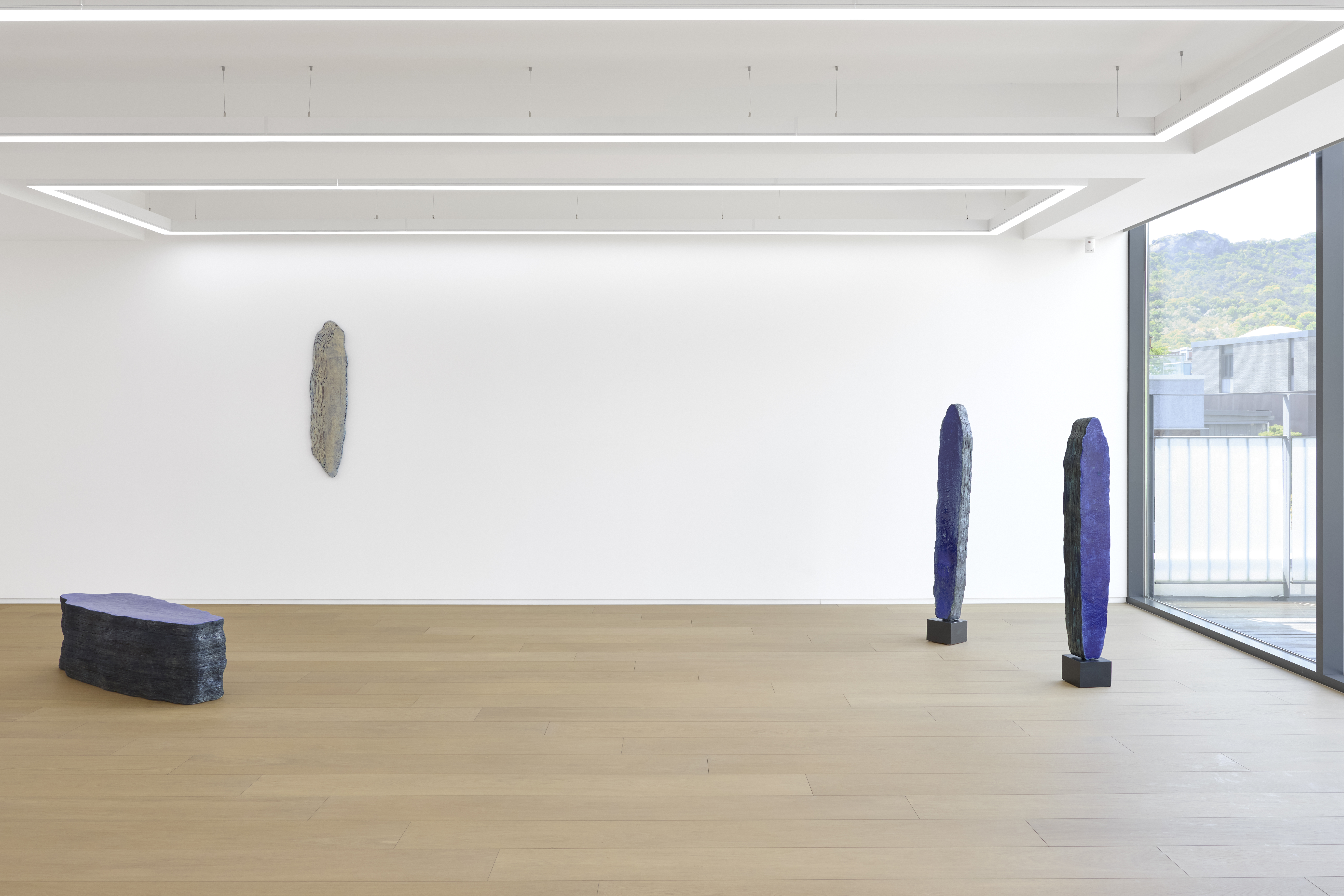
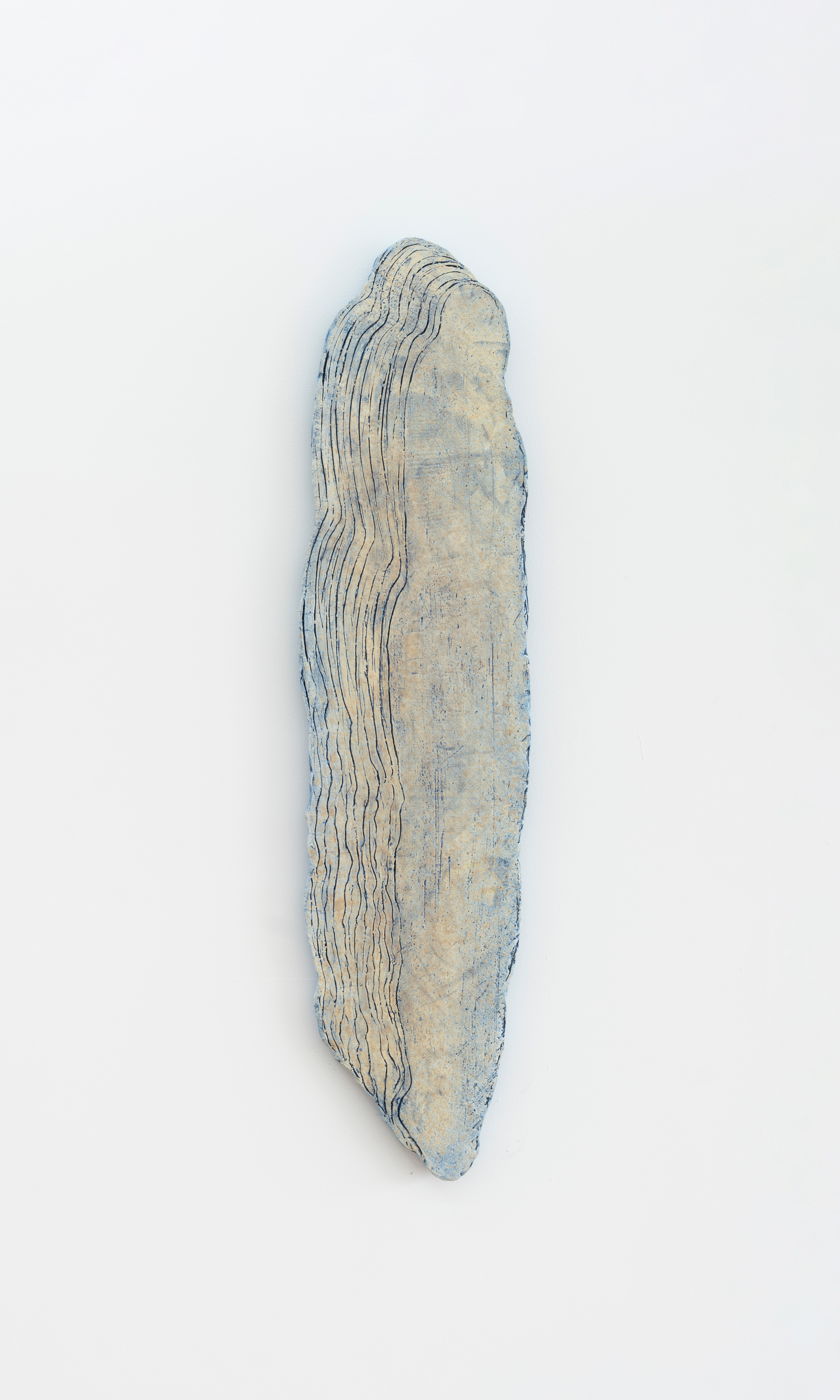
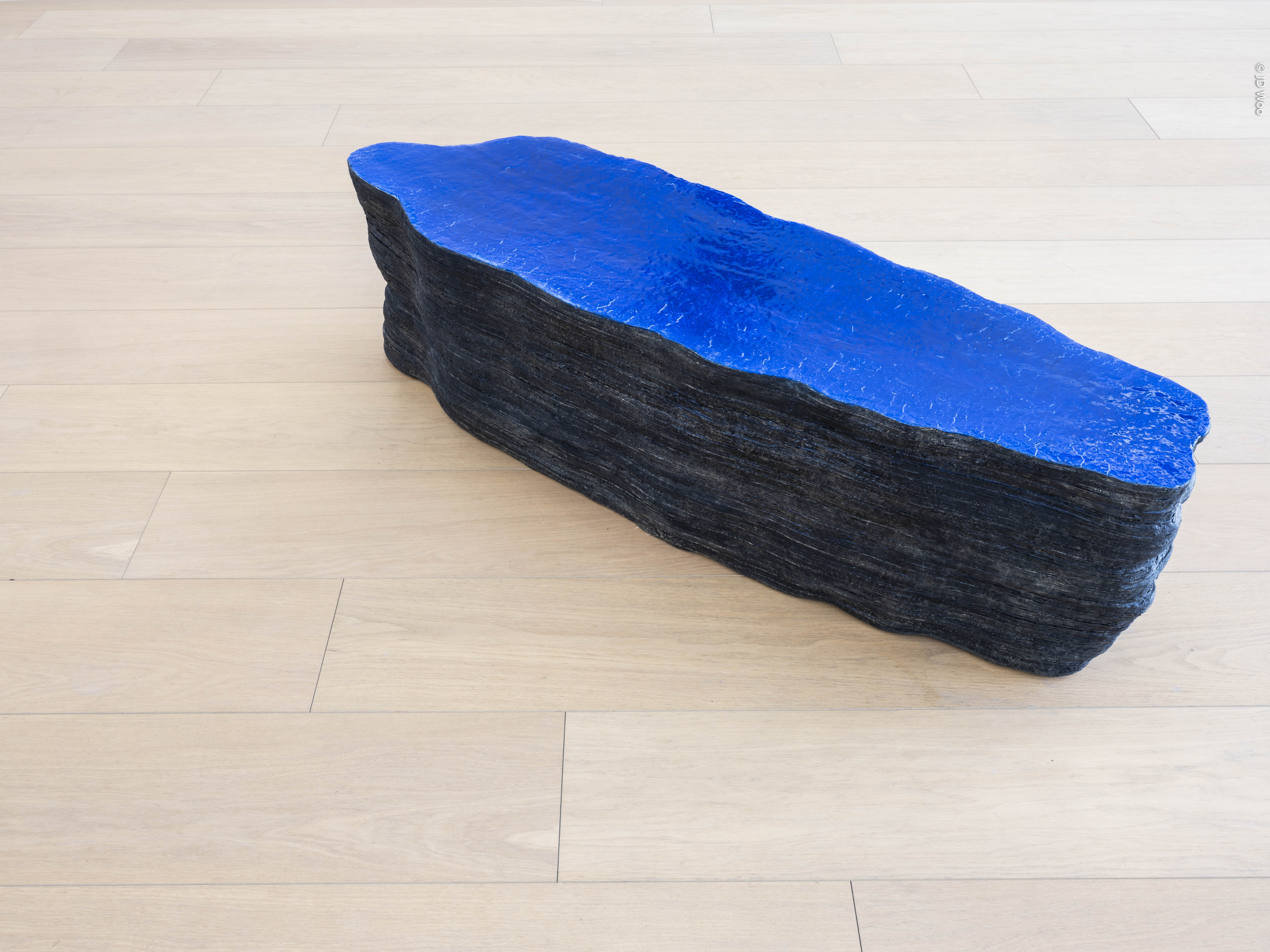
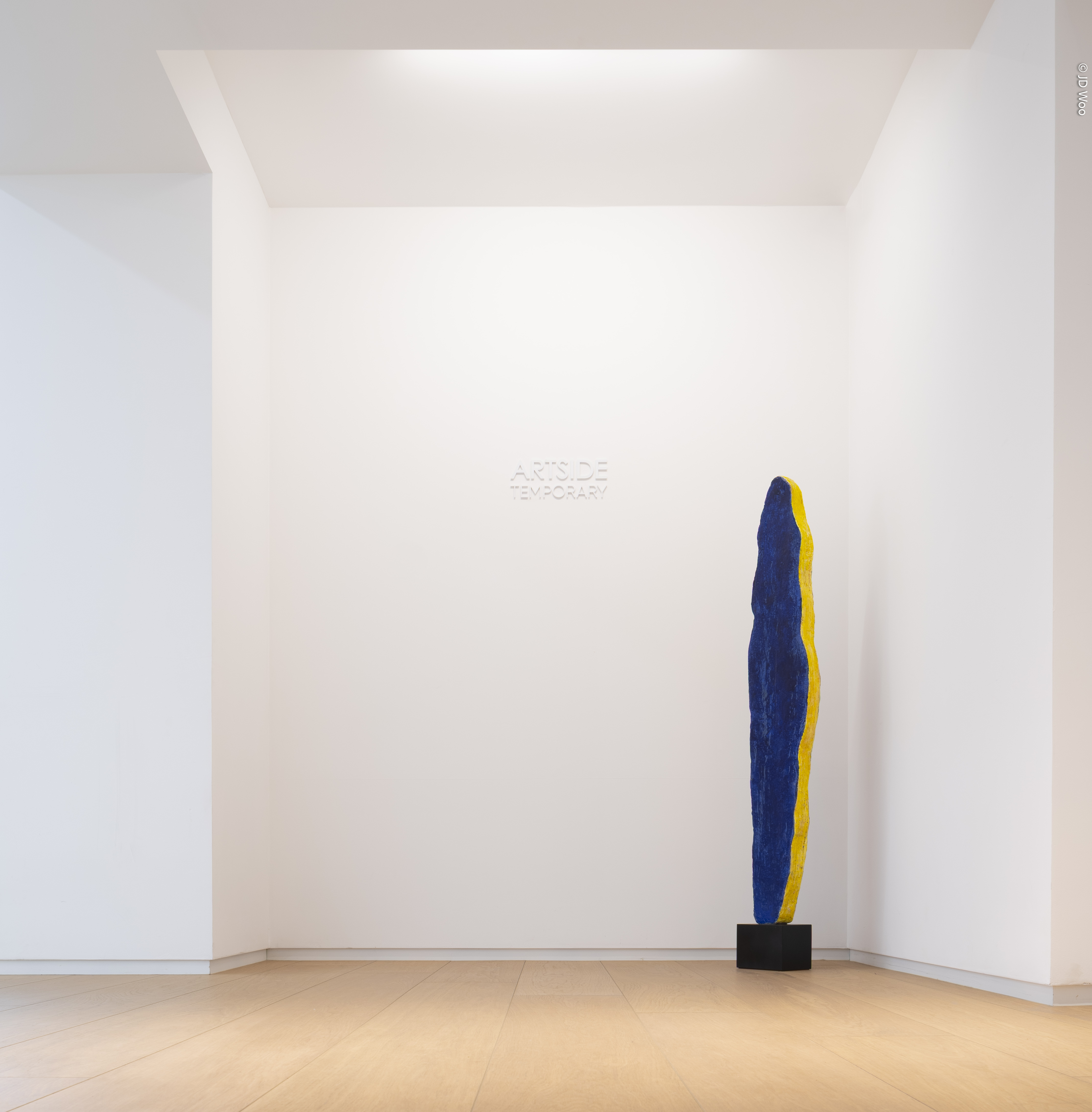
작가는 그림자라는 본질적 윤곽을 공간에 투영함으로써 그것이 비추는 대상을 물성 있는 실존의 영역으로 끌어올린다. 전시장 창가로 길게 늘어진 푸른 그림자의 형상은 이를 시각화한다. 잡을 수도 없고 형체도 끊임없이 변하며, 때로는 본체를 닮았으나 때로는 확대되기도, 축소되기도 하는 그림자의 가변성은 오히려 실존하는 존재의 입체적 면모를 역설적으로 증명한다. 다양한 방식의 존재는 다양한 방식으로 증명되는 것이다. 한편 작품의 가로 단면에 층층히 겹쳐진 물결의 형상은 바다의 심연을 조각한 듯 깊은 시간성을 내포한다.
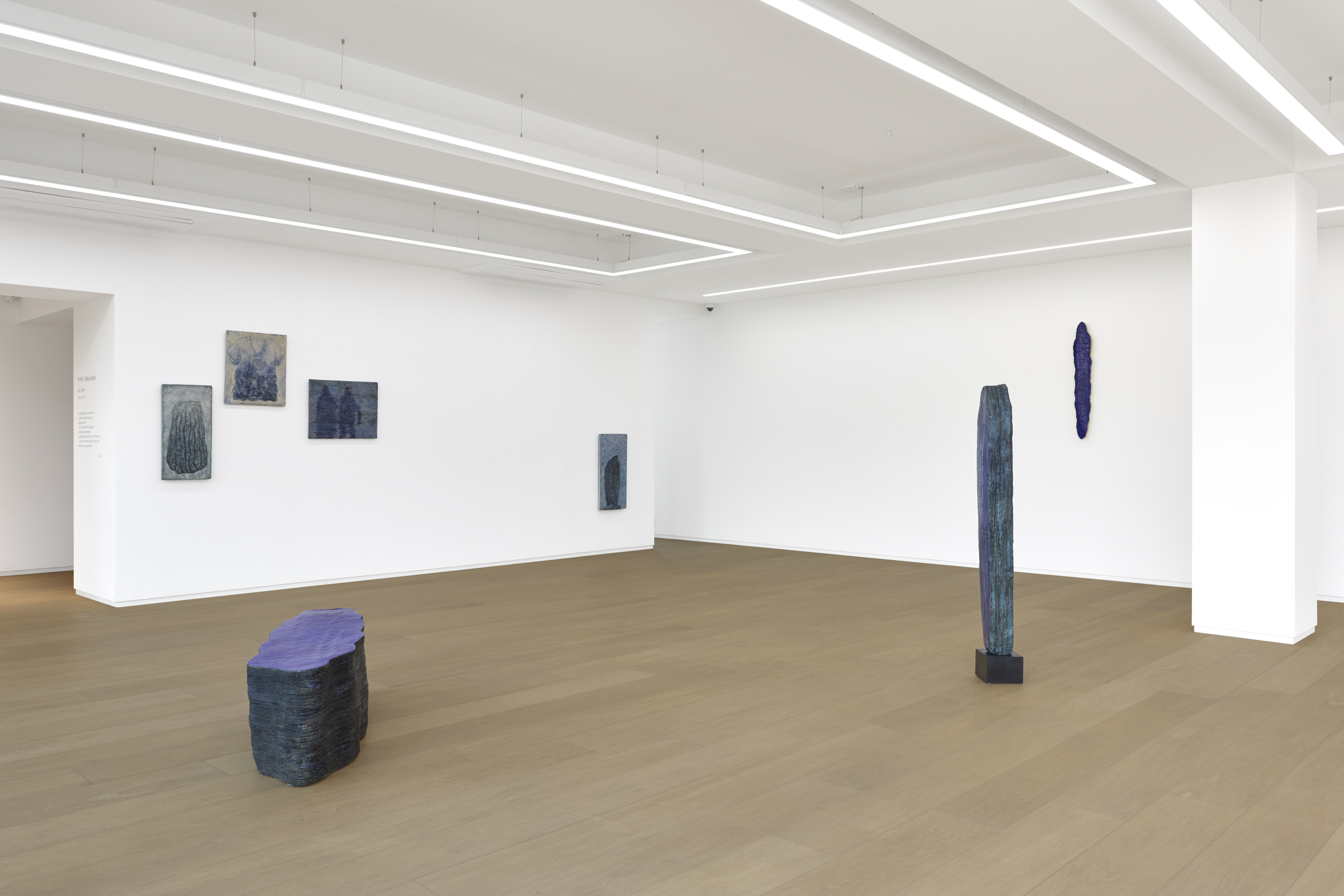
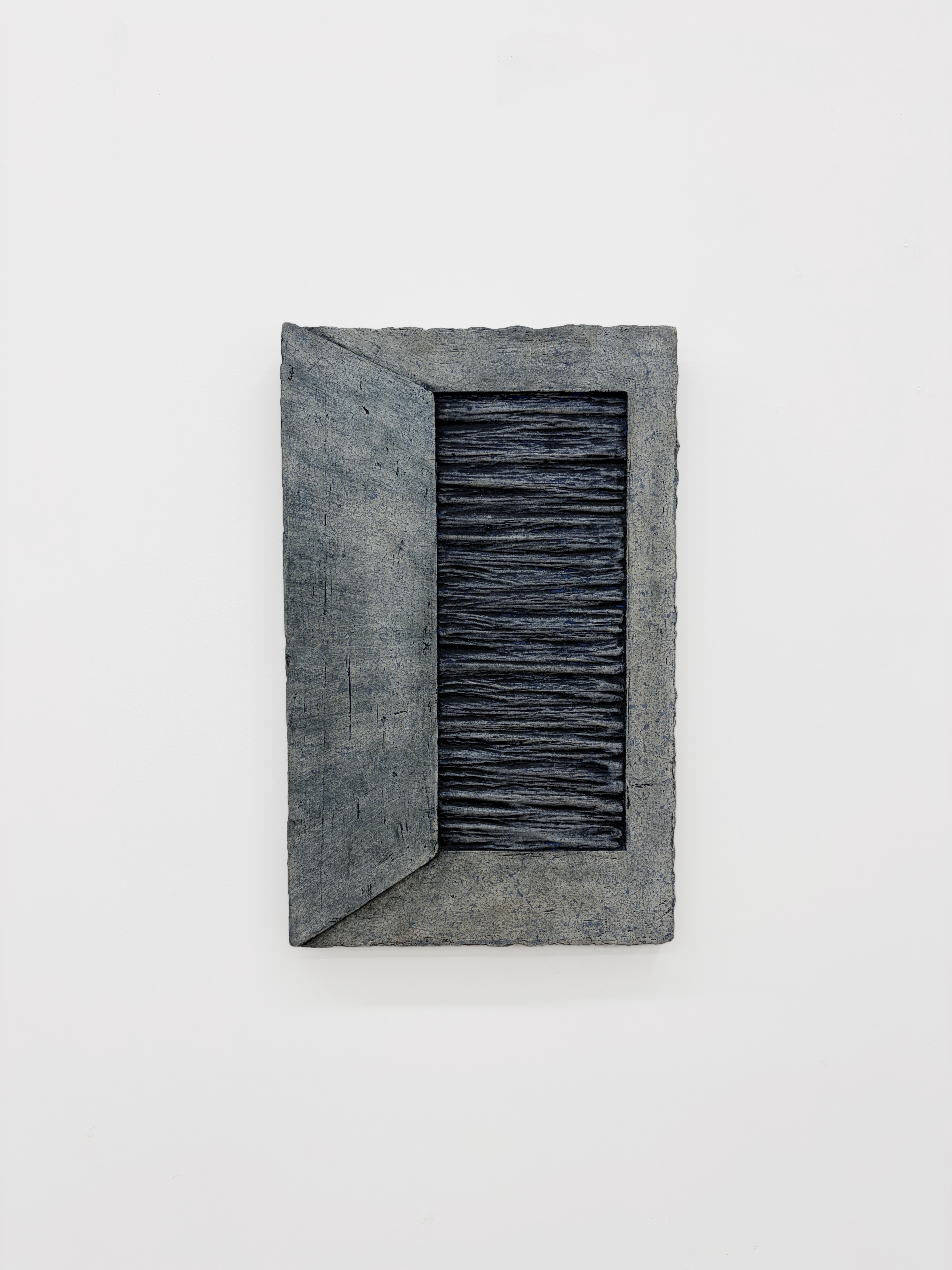
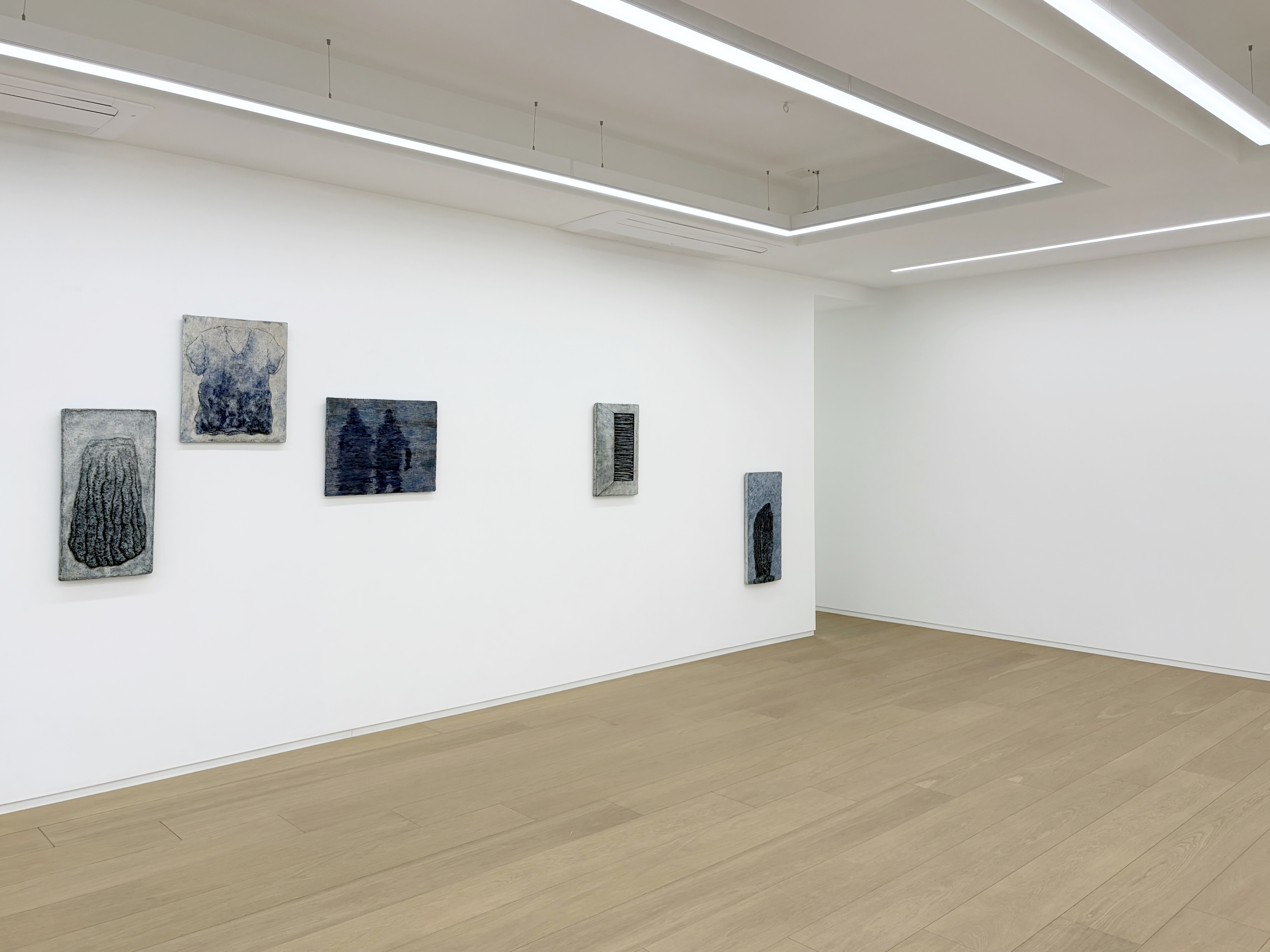
이와 함께 벽면을 가득 채운 부조 작업에서는 바닷가에서 목격했을 법한 일렁이는 인물들의 그림자가 발견된다. 여기서 주목할 점은 작가가 켜켜이 쌓아 올린 ‘겹(Layer)’의 층위다. 바다에 잠겨 푸르게 염색된 듯한 셔츠의 겹, 여성의 신체를 연상시키는 원형의 레이어들은 끈질기게 중첩되며 신비로운 깊이감을 형성한다.
한애규가 펼쳐 보이는 이 푸른 공간은 작가 개인의 기억을 넘어 우리 모두의 발밑에 늘 존재했으나 인식하지 못했던 존재의 흔적을 대면하게 한다. 거친 흙의 육신과 유연한 푸른 그림자가 교차하는 풍경 안에서 관람객들은 일렁이는 물결처럼 유동적이지만 결코 지워지지 않는 존재를 목격하게 될 것이다. 40 여년간 흙을 묵묵히 빚어온 작가의 손끝에서 탄생한 푸른 파동은 각자의 실존을 증명하는 고요하고 강렬한 경험이 될 것이다.
내 그림자가 바다에 드리워진 것을 본 것 같다.
상상이었을지도 모른다.
그 바다와 그림자에 대한 기억은 하도 강렬하여
내가 뭍으로 돌아와 거리를 헤맬 때도
바다 물결이 출렁이던 곳, 흔들리던 푸른 그림자가 나를 따라다닌다.
그 그림자가 도시의 회색 벽에, 시멘트 계단에, 내 작업실 입구에,
사방에 드리워져 내 가슴을 일렁이게 한다.” – 한애규, 여행이라는 이름의 사색의 시간, 213p.
한애규(b.1953)는 1980년대부터 테라코타라는 매체를 통해 흙 본연의 질감과 색채를 탐구하며 대지의원초적인 생명력을 구현한다. 유약을 바르지 않고 고온의 불을 견뎌낸 단단한 형태 안에 주관적 메시지를 담아낸 그의 테라코타는 한국 현대 도예의 지평을 넓혀왔다. 한애규의 작업 세계를 관통하는 핵심 메시지는 ‘여성성’에 대한 사유다. 가부장적 질서와 일상의 구속을 벗어나 주체적인 자아를 찾아가는 과정은 풍만한 곡선과 대범한 선형의 인물상으로 형상화되었다. 이번 개인전 《푸른 그림자》는 그간 작가가 구축해온 테라코타의 견고한 서사 위에 지속적으로 탐구해왔던 푸른 유약을 공간 전체로 확장하여 선보이는 자리다. 그의 작품들은 뜨거운 불의 과정을 거쳐 역설적으로 물의 속성을 획득하며 전시 공간을 물들인다.
푸른 그림자는 작가가 바닷가를 거닐다 목격한 자신의 그림자로부터 출발한다. 그림자는 대상이 공간을 점유하고 있다는 증거이자, ‘그 자리에 실제로 존재했음’을 알리는 현존(Presence)의 지표다. 고대 문헌학적 관점에서 그림자와 형상(Image)은 동일한 뿌리를 공유한다. 형상을 뜻하는 단어가 그림자의 윤곽으로부터 기원했듯, 작가에게 그림자를 목격하는 행위는 곧 스스로의 실존을 확인하는 의식과도 같았다.
작가는 그림자라는 본질적 윤곽을 공간에 투영함으로써 그것이 비추는 대상을 물성 있는 실존의 영역으로 끌어올린다. 전시장 창가로 길게 늘어진 푸른 그림자의 형상은 이를 시각화한다. 잡을 수도 없고 형체도 끊임없이 변하며, 때로는 본체를 닮았으나 때로는 확대되기도, 축소되기도 하는 그림자의 가변성은 오히려 실존하는 존재의 입체적 면모를 역설적으로 증명한다. 다양한 방식의 존재는 다양한 방식으로 증명되는 것이다. 한편 작품의 가로 단면에 층층히 겹쳐진 물결의 형상은 바다의 심연을 조각한 듯 깊은 시간성을 내포한다.
이와 함께 벽면을 가득 채운 부조 작업에서는 바닷가에서 목격했을 법한 일렁이는 인물들의 그림자가 발견된다. 여기서 주목할 점은 작가가 켜켜이 쌓아 올린 ‘겹(Layer)’의 층위다. 바다에 잠겨 푸르게 염색된 듯한 셔츠의 겹, 여성의 신체를 연상시키는 원형의 레이어들은 끈질기게 중첩되며 신비로운 깊이감을 형성한다.
한애규가 펼쳐 보이는 이 푸른 공간은 작가 개인의 기억을 넘어 우리 모두의 발밑에 늘 존재했으나 인식하지 못했던 존재의 흔적을 대면하게 한다. 거친 흙의 육신과 유연한 푸른 그림자가 교차하는 풍경 안에서 관람객들은 일렁이는 물결처럼 유동적이지만 결코 지워지지 않는 존재를 목격하게 될 것이다. 40 여년간 흙을 묵묵히 빚어온 작가의 손끝에서 탄생한 푸른 파동은 각자의 실존을 증명하는 고요하고 강렬한 경험이 될 것이다.
“Walking along the beach where waves shimmer on every side,
I felt as though I saw my shadow cast upon the sea.
Perhaps it was a mere trick of the imagination.
Yet, the memory of that sea and that shadow was so intense that even now,
as I wander the city streets,
the place where the waves surged and that swaying blue shadow continue to follow me.
That shadow is cast upon the gray walls of the city, the cement stairs, and the entrance to my studio
—it is everywhere, making my heart ripple with the same motion.” – Hahn aikyu, Meditation in the Name of Travel, p. 213.
Since the 1980s, Hahn aikyu (b. 1953) has explored the inherent textures and colors of clay through the medium of terracotta, visualizing the primordial vitality of the earth. Her work, which embeds subjective messages within solid forms that have endured high-temperature fires without the use of glazes, has consistently expanded the horizons of contemporary Korean ceramics. A central theme permeating her artistic world is the contemplation of ‘femininity.’ The process of seeking an autonomous self—freed from patriarchal order and the constraints of daily life—is manifested in her work through figures defined by voluptuous curves and bold, linear forms.
This solo exhibition, 《Blue Shadow》, serves as a platform to extend the blue glaze—a subject of the artist’s long-standing exploration—across the entire space, building upon the solid terracotta narratives she has established over the years. Paradoxically, through the process of intense heat, her works acquire the properties of water, saturating the exhibition space.
The concept of the "Blue Shadow" originates from the shadow the artist witnessed while walking along the shore. A shadow is both evidence that an object occupies space and an index of Presence, signaling that 'one was truly there.' From an ancient philological perspective, 'shadow' and 'image' share the same roots. Just as the word for 'image' originated from the outline of a shadow, for the artist, the act of witnessing a shadow was akin to a ritual of confirming her own existence.
By projecting the essential silhouette of the shadow into space, the artist elevates the subject it reflects into the realm of material existence. The blue shadows stretched long by the gallery windows visualize this intent. The variability of a shadow—which cannot be grasped, constantly changes shape, and at times resembles the original while at others being magnified or diminished—paradoxically proves the multi-dimensional facets of a living being. Diverse modes of existence are proven through diverse means of manifestation. Meanwhile, the layered ripples on the horizontal cross-sections of her works evoke a sense of deep temporality, as if the abyss of the sea itself has been sculpted.
In the relief works filling the walls, one discovers the swaying shadows of figures that might have been seen on that beach. Of particular note is the layering the artist has meticulously built up. The layers of shirts, appearing as if dyed blue by the sea, and the circular layers reminiscent of the female form, are tenaciously overlapped to create a mysterious sense of depth.
The blue space presented by Hahn aikyu transcends personal memory, forcing us to confront the traces of existence that have always been beneath our feet, though often unobserved. Within this landscape, where the coarse body of clay intersects with flexible blue shadows, viewers will witness an existence that is fluid like a ripple, yet never erased. The blue waves born from the fingertips of an artist who has silently molded clay for over 40 years will offer a quiet yet intense experience of proving one’s own existence.
I felt as though I saw my shadow cast upon the sea.
Perhaps it was a mere trick of the imagination.
Yet, the memory of that sea and that shadow was so intense that even now,
as I wander the city streets,
the place where the waves surged and that swaying blue shadow continue to follow me.
That shadow is cast upon the gray walls of the city, the cement stairs, and the entrance to my studio
—it is everywhere, making my heart ripple with the same motion.” – Hahn aikyu, Meditation in the Name of Travel, p. 213.
Since the 1980s, Hahn aikyu (b. 1953) has explored the inherent textures and colors of clay through the medium of terracotta, visualizing the primordial vitality of the earth. Her work, which embeds subjective messages within solid forms that have endured high-temperature fires without the use of glazes, has consistently expanded the horizons of contemporary Korean ceramics. A central theme permeating her artistic world is the contemplation of ‘femininity.’ The process of seeking an autonomous self—freed from patriarchal order and the constraints of daily life—is manifested in her work through figures defined by voluptuous curves and bold, linear forms.
This solo exhibition, 《Blue Shadow》, serves as a platform to extend the blue glaze—a subject of the artist’s long-standing exploration—across the entire space, building upon the solid terracotta narratives she has established over the years. Paradoxically, through the process of intense heat, her works acquire the properties of water, saturating the exhibition space.
The concept of the "Blue Shadow" originates from the shadow the artist witnessed while walking along the shore. A shadow is both evidence that an object occupies space and an index of Presence, signaling that 'one was truly there.' From an ancient philological perspective, 'shadow' and 'image' share the same roots. Just as the word for 'image' originated from the outline of a shadow, for the artist, the act of witnessing a shadow was akin to a ritual of confirming her own existence.
By projecting the essential silhouette of the shadow into space, the artist elevates the subject it reflects into the realm of material existence. The blue shadows stretched long by the gallery windows visualize this intent. The variability of a shadow—which cannot be grasped, constantly changes shape, and at times resembles the original while at others being magnified or diminished—paradoxically proves the multi-dimensional facets of a living being. Diverse modes of existence are proven through diverse means of manifestation. Meanwhile, the layered ripples on the horizontal cross-sections of her works evoke a sense of deep temporality, as if the abyss of the sea itself has been sculpted.
In the relief works filling the walls, one discovers the swaying shadows of figures that might have been seen on that beach. Of particular note is the layering the artist has meticulously built up. The layers of shirts, appearing as if dyed blue by the sea, and the circular layers reminiscent of the female form, are tenaciously overlapped to create a mysterious sense of depth.
The blue space presented by Hahn aikyu transcends personal memory, forcing us to confront the traces of existence that have always been beneath our feet, though often unobserved. Within this landscape, where the coarse body of clay intersects with flexible blue shadows, viewers will witness an existence that is fluid like a ripple, yet never erased. The blue waves born from the fingertips of an artist who has silently molded clay for over 40 years will offer a quiet yet intense experience of proving one’s own existence.