Kwon Sojin
- 제비가 낮게 날면
July 3, 2026 - Aug. 8, 2026
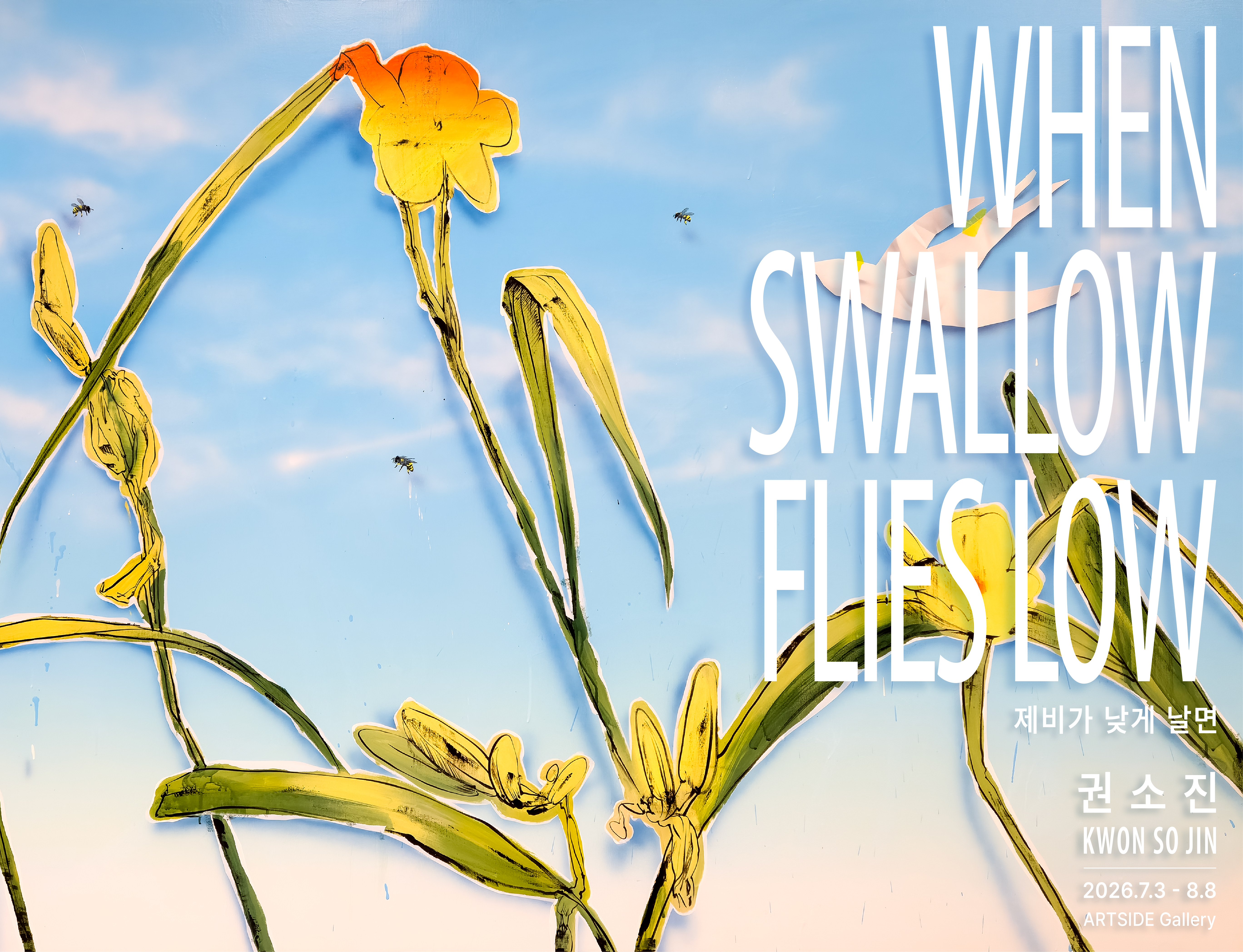
비가 오기 전에 곤충들은 날개가 습기를 머금어 무거워지고, 높이 날지 못한 채 지면 가까이를 맴돈다. 그 작은 먹이를 따라 제비 역시 낮게 비행한다. 즉 제비가 낮게 난다는 것은 곧 비가 올 것이라는 미묘하고 은밀한 신호이다. 트리스탄 굴리(Tristan Gooley)의 저서 『날씨의 세계』는 우리에게 묻는다. 매일 똑같이 반복되는 ‘맑음’과 ‘흐림’이라는 단어 속에 갇혀, 정작 우리 곁에 펼쳐지는 세계의 미묘한 신호들을 감각하는 것을 놓치고 있지는 않은가. 곤충이 습기를 감각하고, 새들이 바람의 결을 읽어내는 그 예민한 시간들. 그 찰나의 징후들을 포착하는 순간, 일상은 비로소 거대한 풍경으로 열린다.
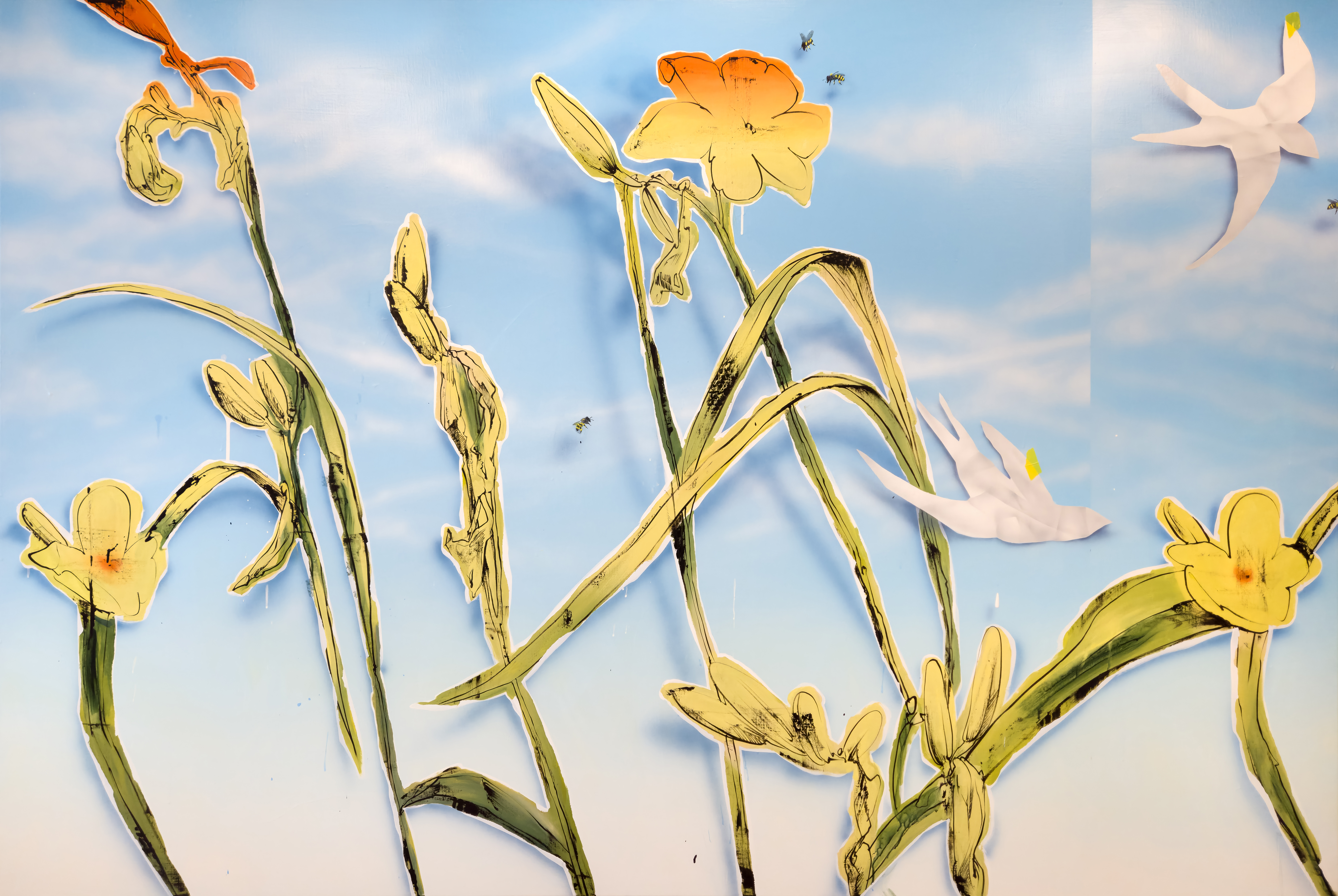
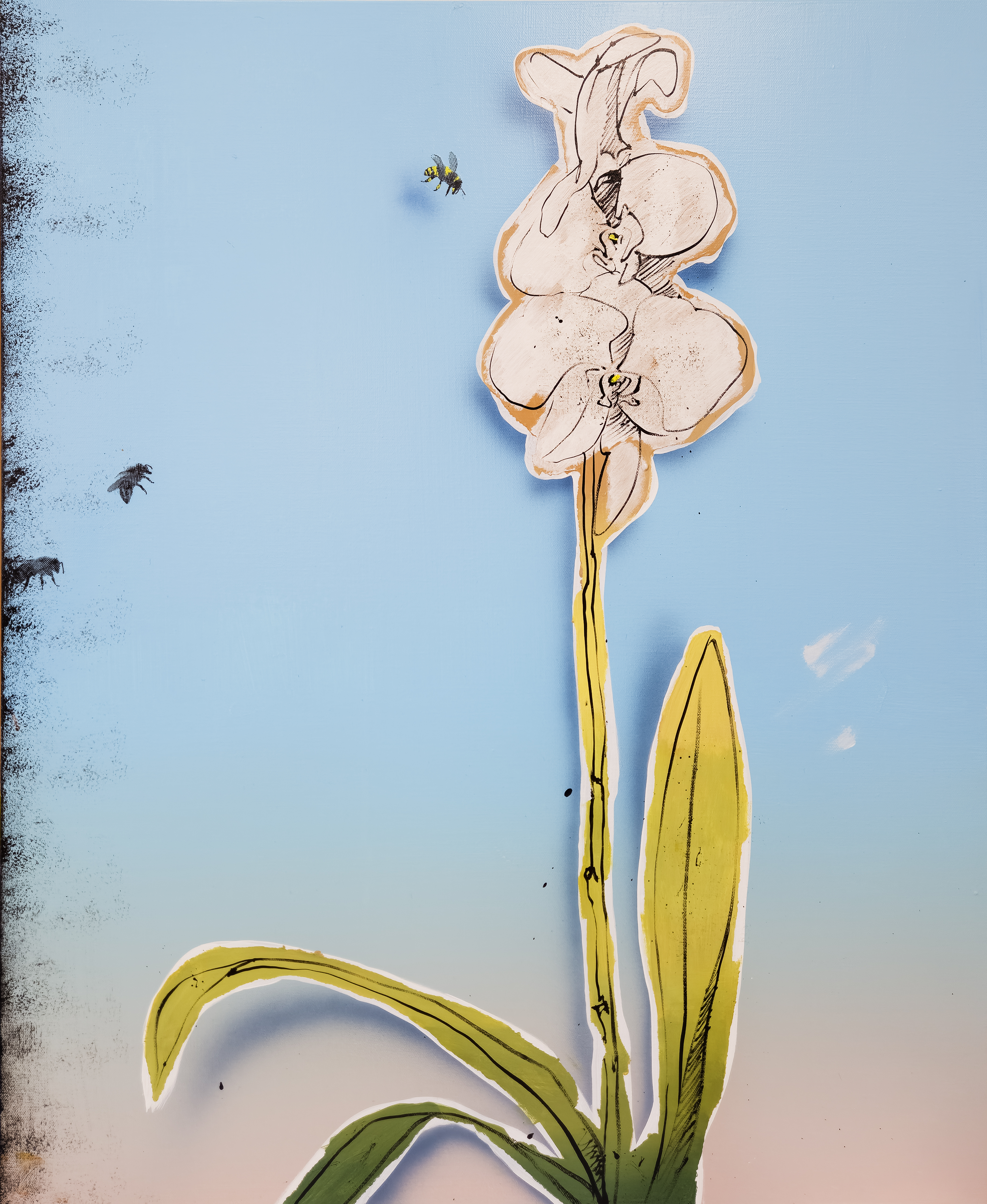
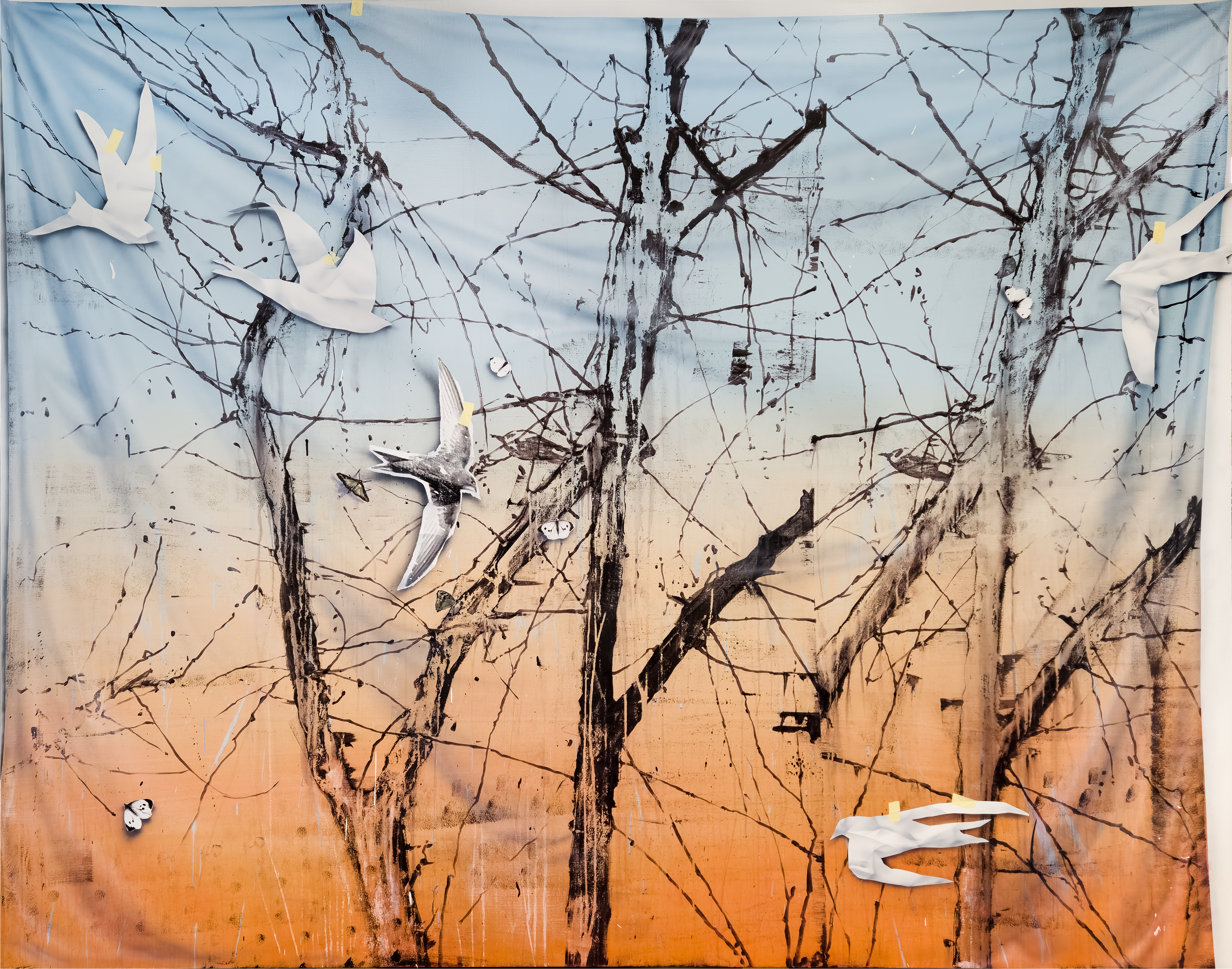
아트사이드 갤러리에서 열리는 권소진의 개인전 《제비가 낮게 날면》은 이처럼 어제와 같다고 믿었던 평범한 일상에 균열이 생기는 바로 그 지점에서 출발한다. 먼저 작가는 우리가 어린 시절 품었던 인지적 상상력을 화폭 위로 불러온다. 구름 패턴 벽지 속의 하늘은 실제로 흘렀고, 종이로 접은 꽃에서는 알 수 없는 향기가 났으며, 오려 만든 새는 금방이라도 날아오를 듯 생생했다. 그때의 우리에게 그것들은 현실을 모방한 가짜가 아니라, 상상이 시작되는 그림이자 살아있는 사물 그 자체였다. 작가는 그 시절부터 아직까지 유효한 직관적인 감각을 화폭으로 옮겨오며, ‘그림 같은 것’과 ‘그림 같지 않은 것’의 경계를 허문다.
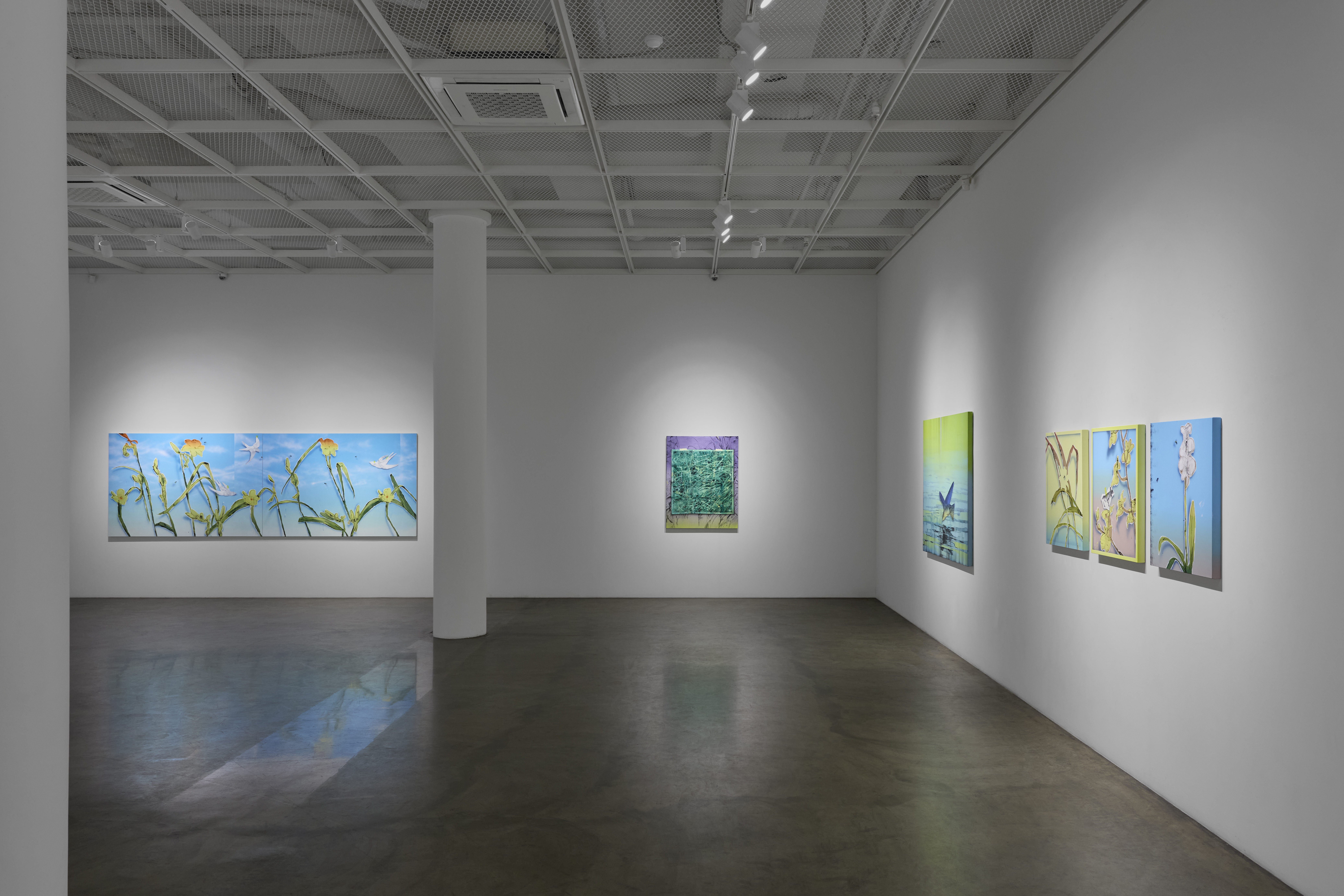
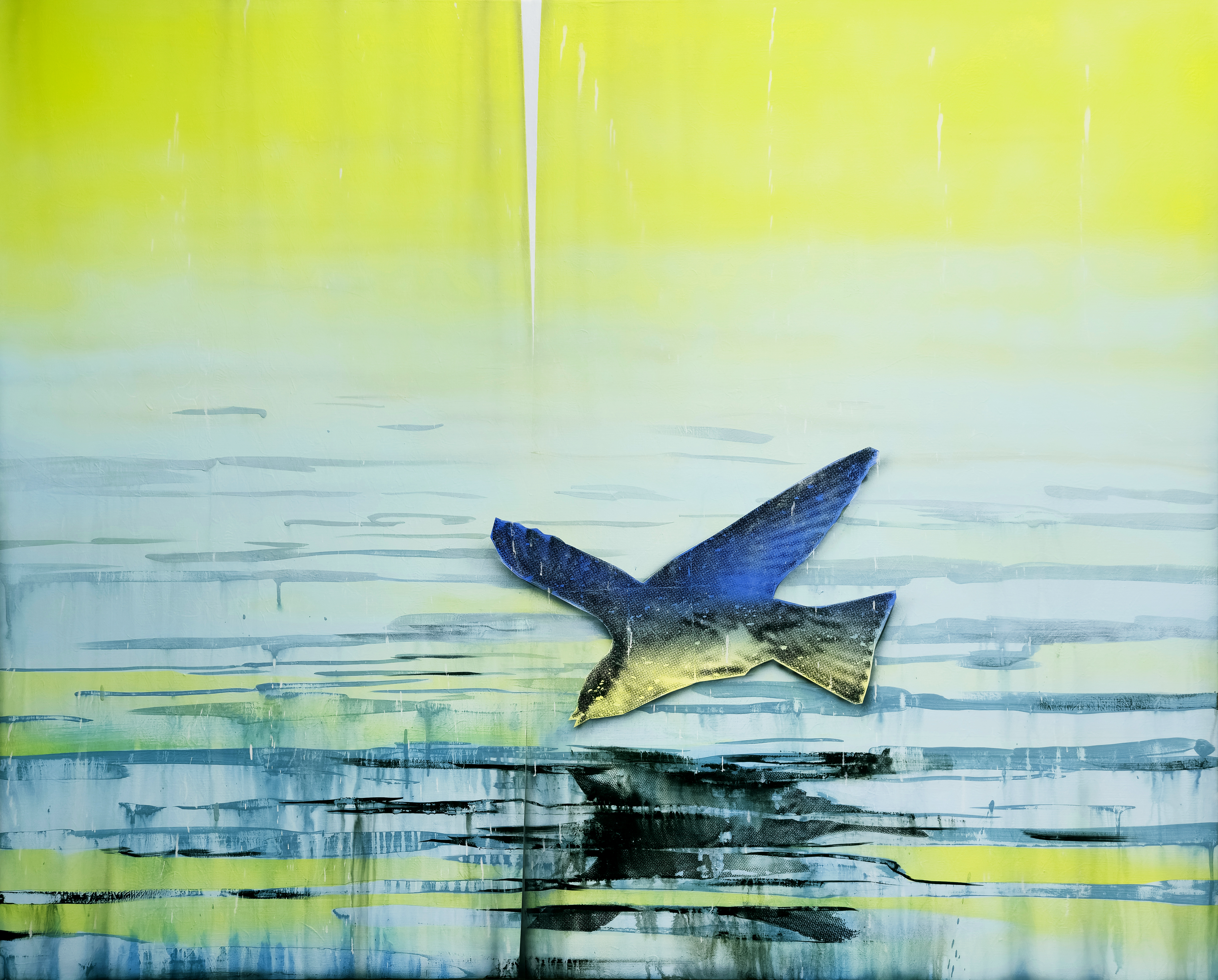
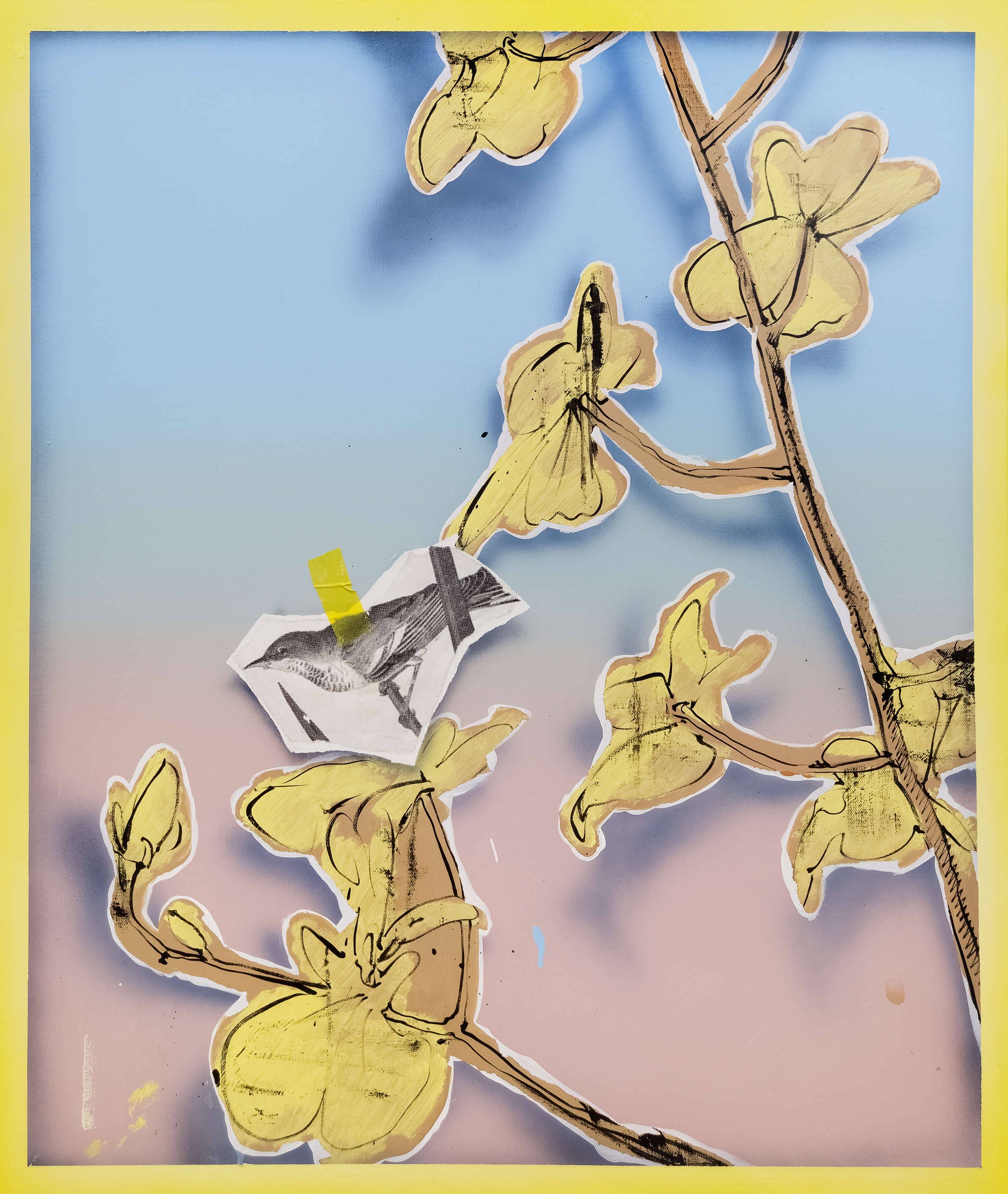
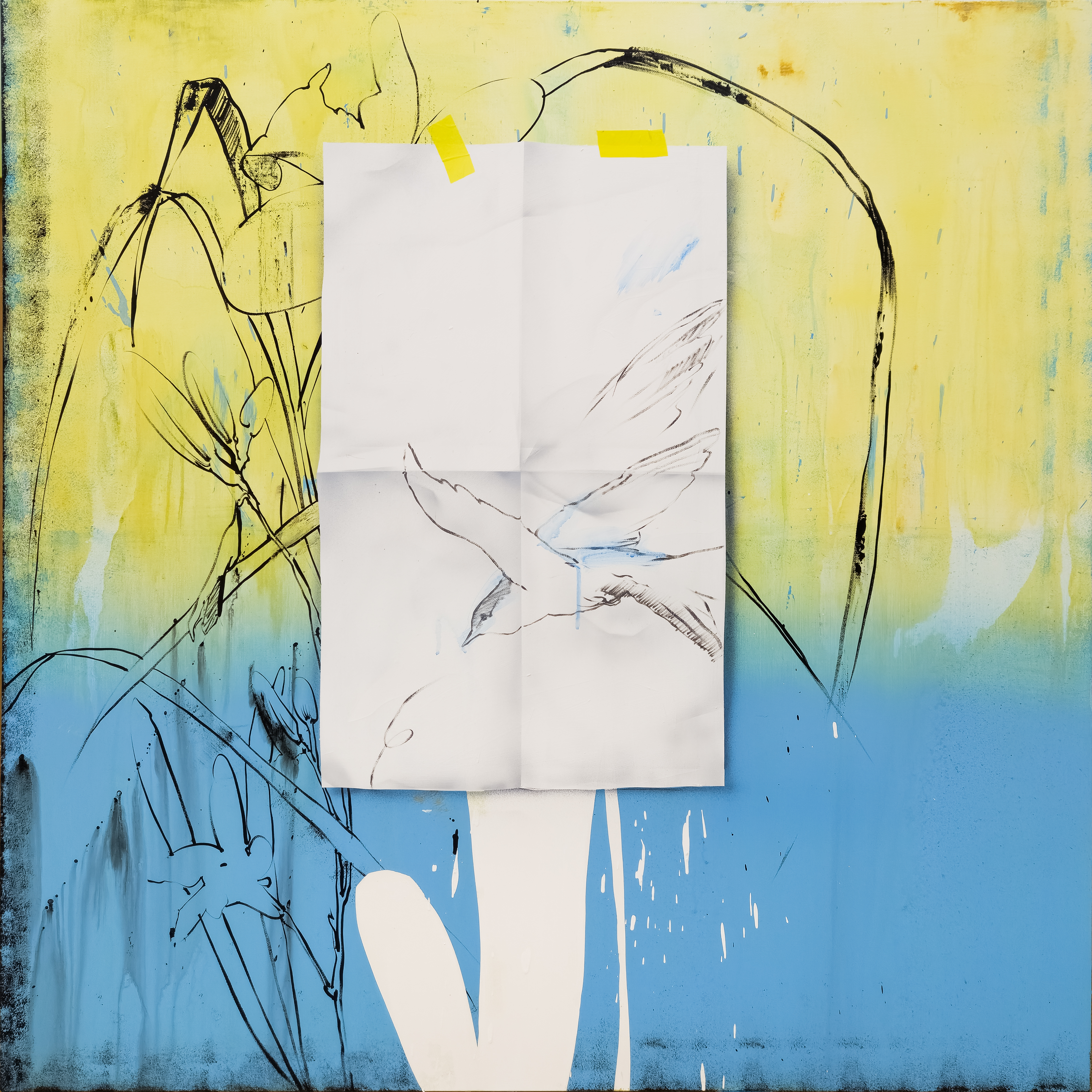
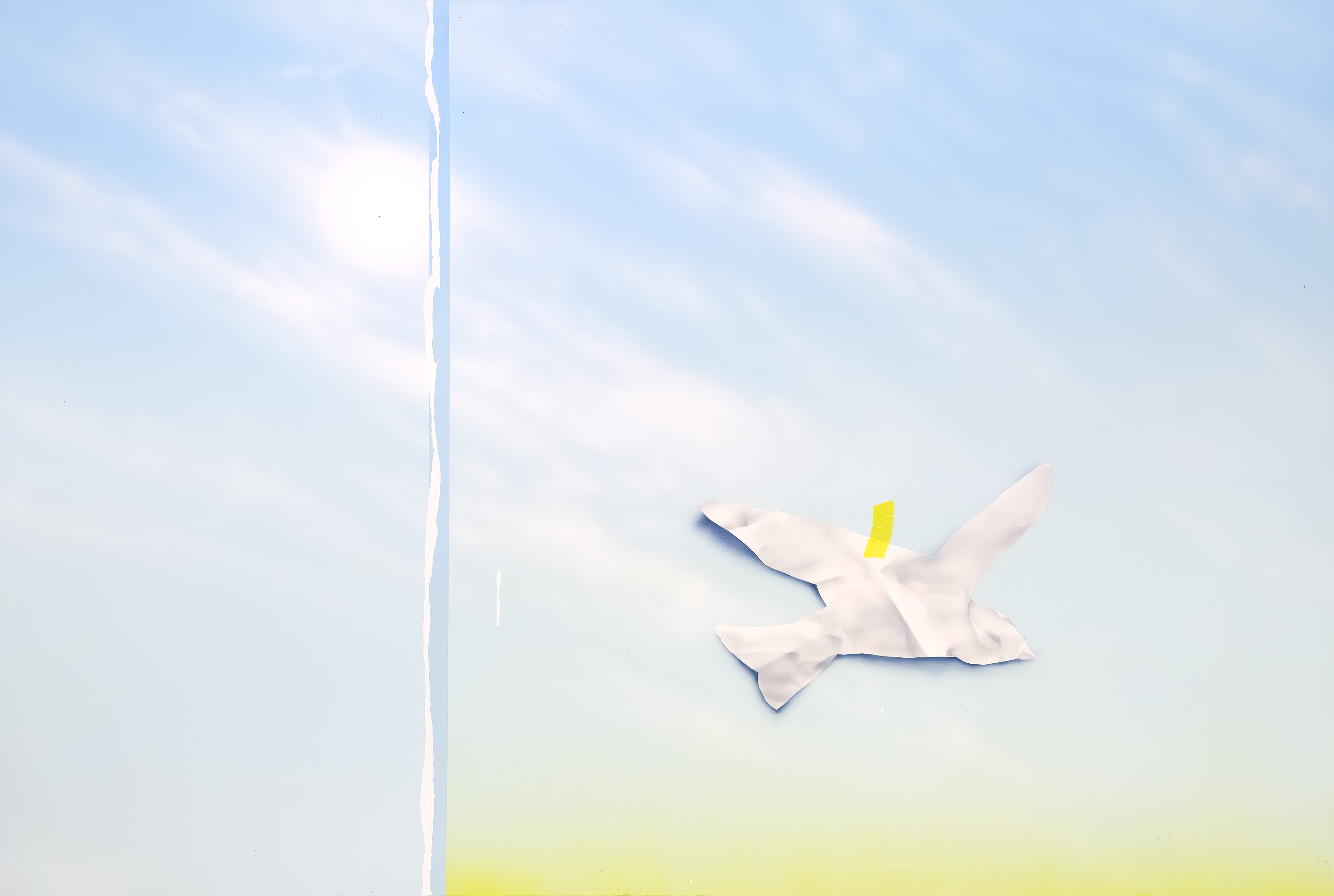
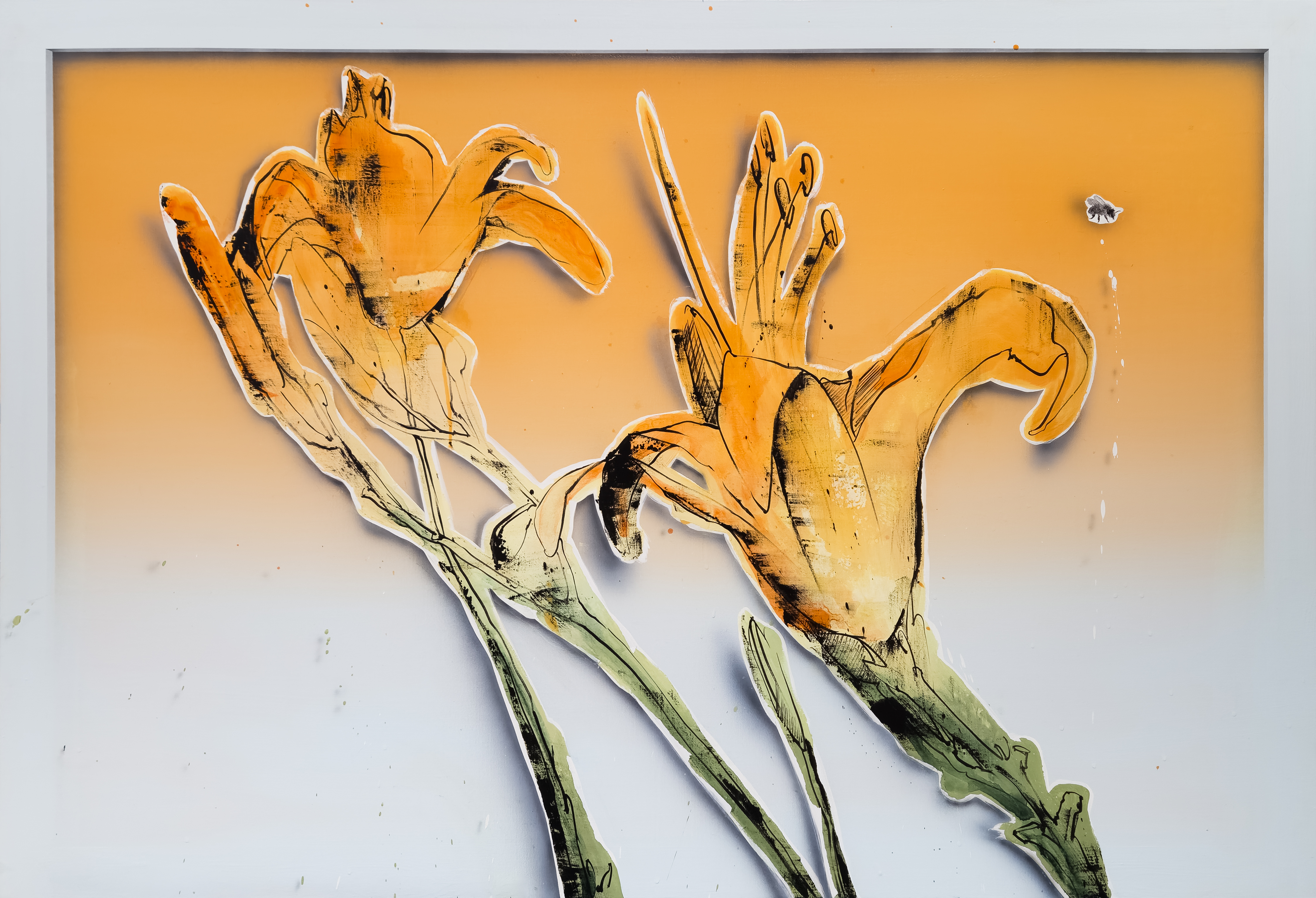
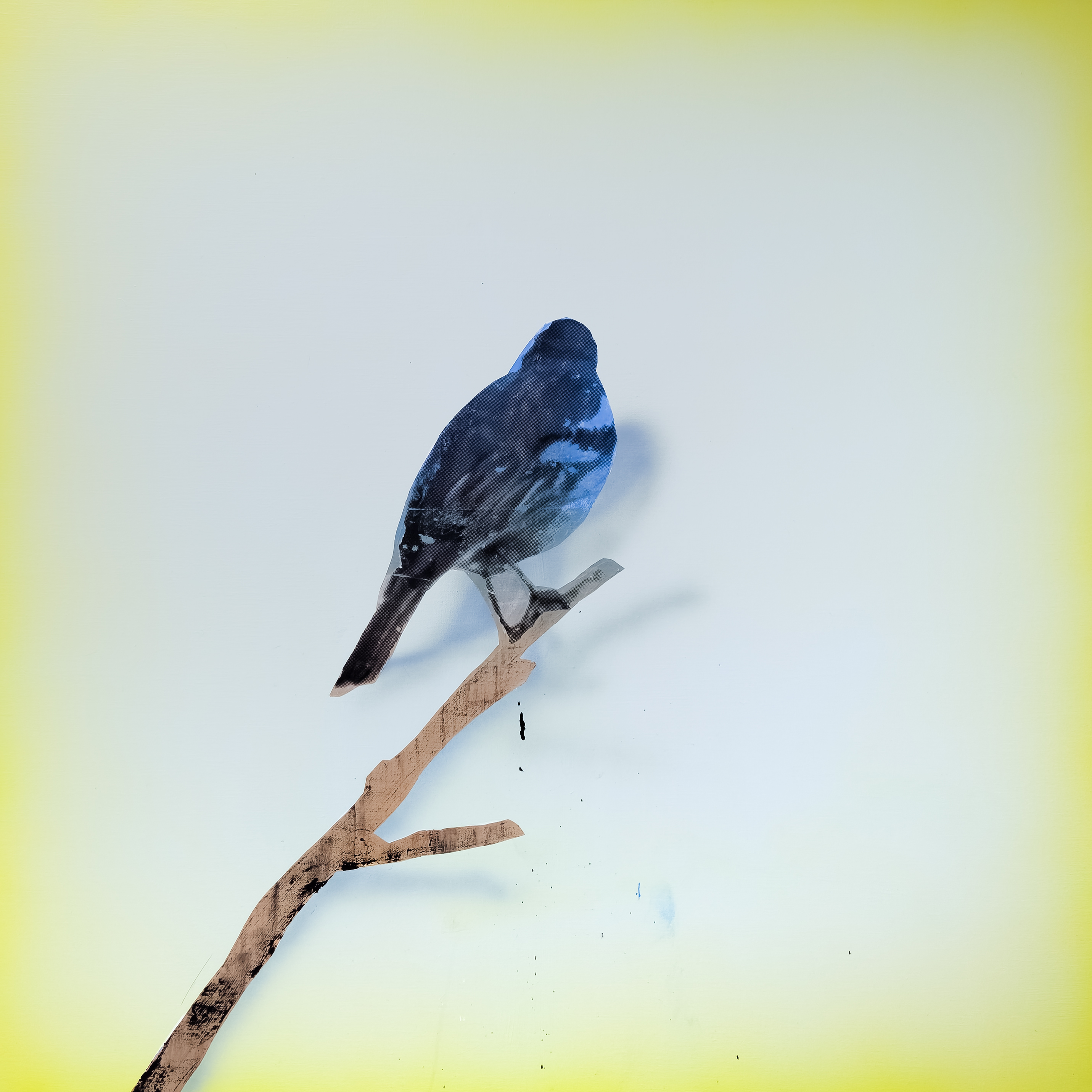
인간의 지각 체계는 파편화된 요소들을 단순히 받아들이는 것에 그치지 않고, 이를 통합하여 하나의 의미 있는 ‘전체’로 재구성하려는 경향을 갖는다. 권소진의 작품은 이러한 게슈탈트적 통합을 허락하면서도, 동시에 그 통합 과정을 방해함으로써 낯설음을 만들어낸다. 캔버스 위에 물감을 올려 만든 테이프, 가위로 종이를 오려 붙인 듯한 정교한 붓질과 먹 드로잉을 연상시키는 얇은 선들, 손으로 찢어낸 듯한 벽지의 질감은 실제와 비슷하지만 진짜가 아닌 것들로 완결된 상상의 순간에 슬쩍 균열을 낸다.
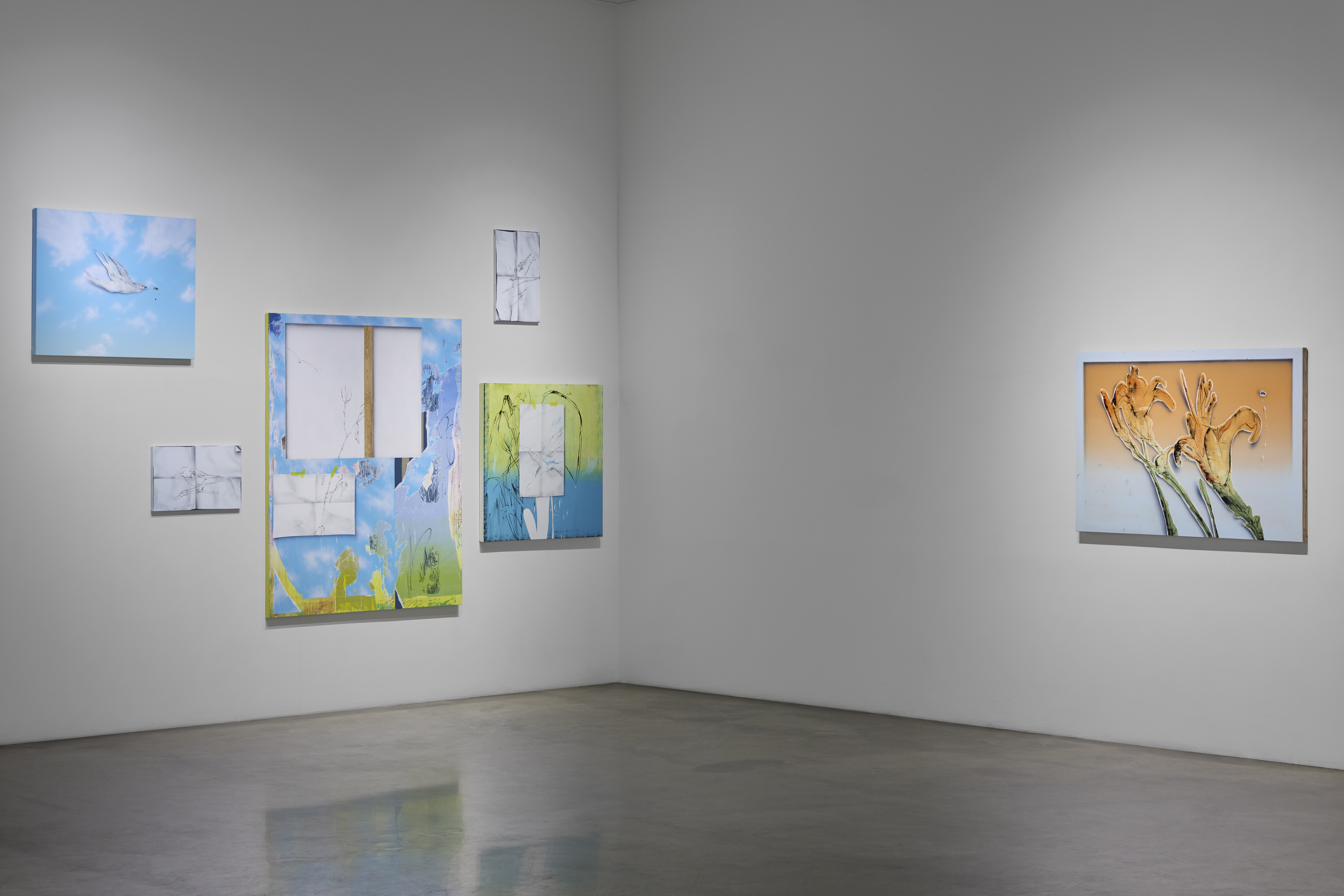
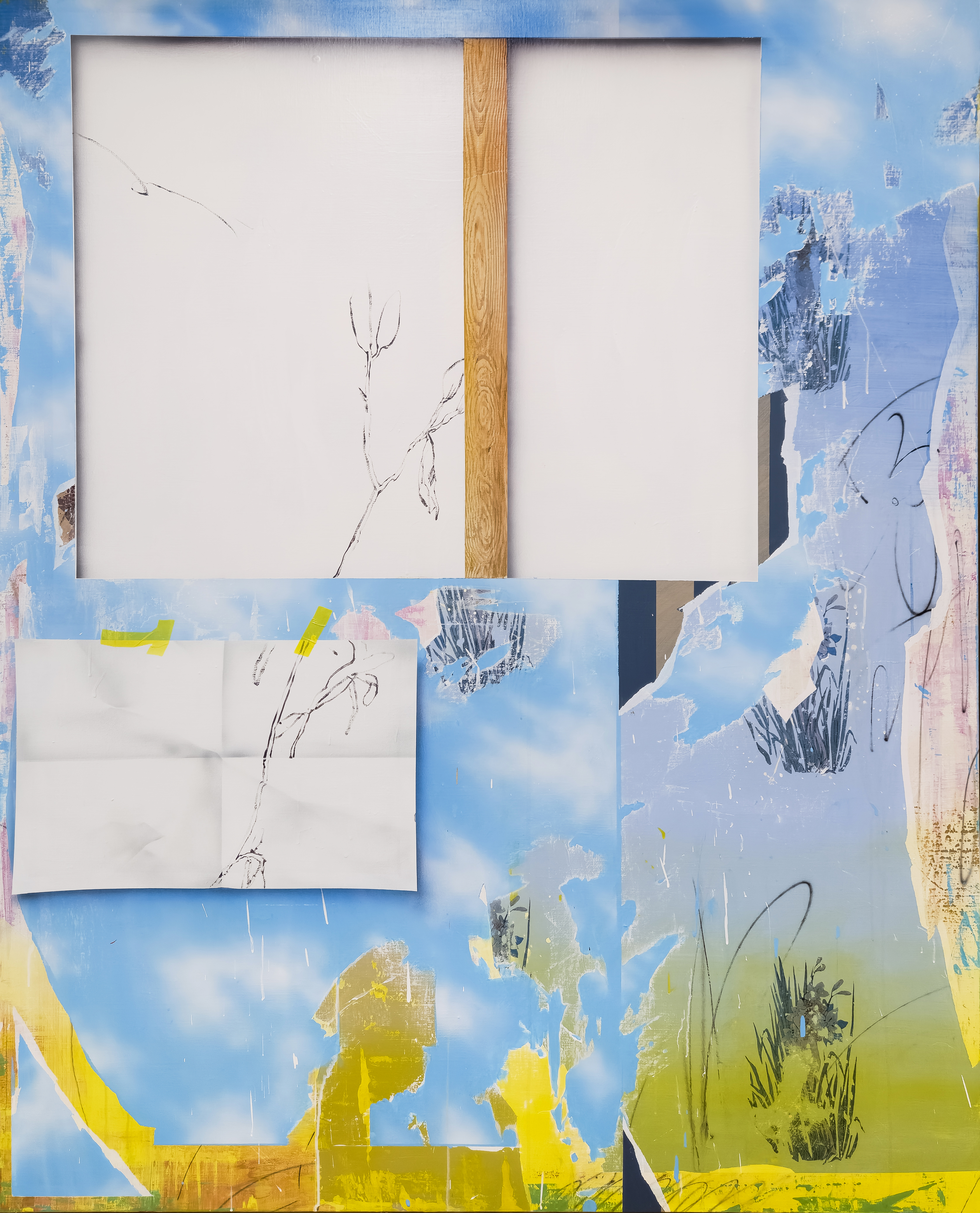
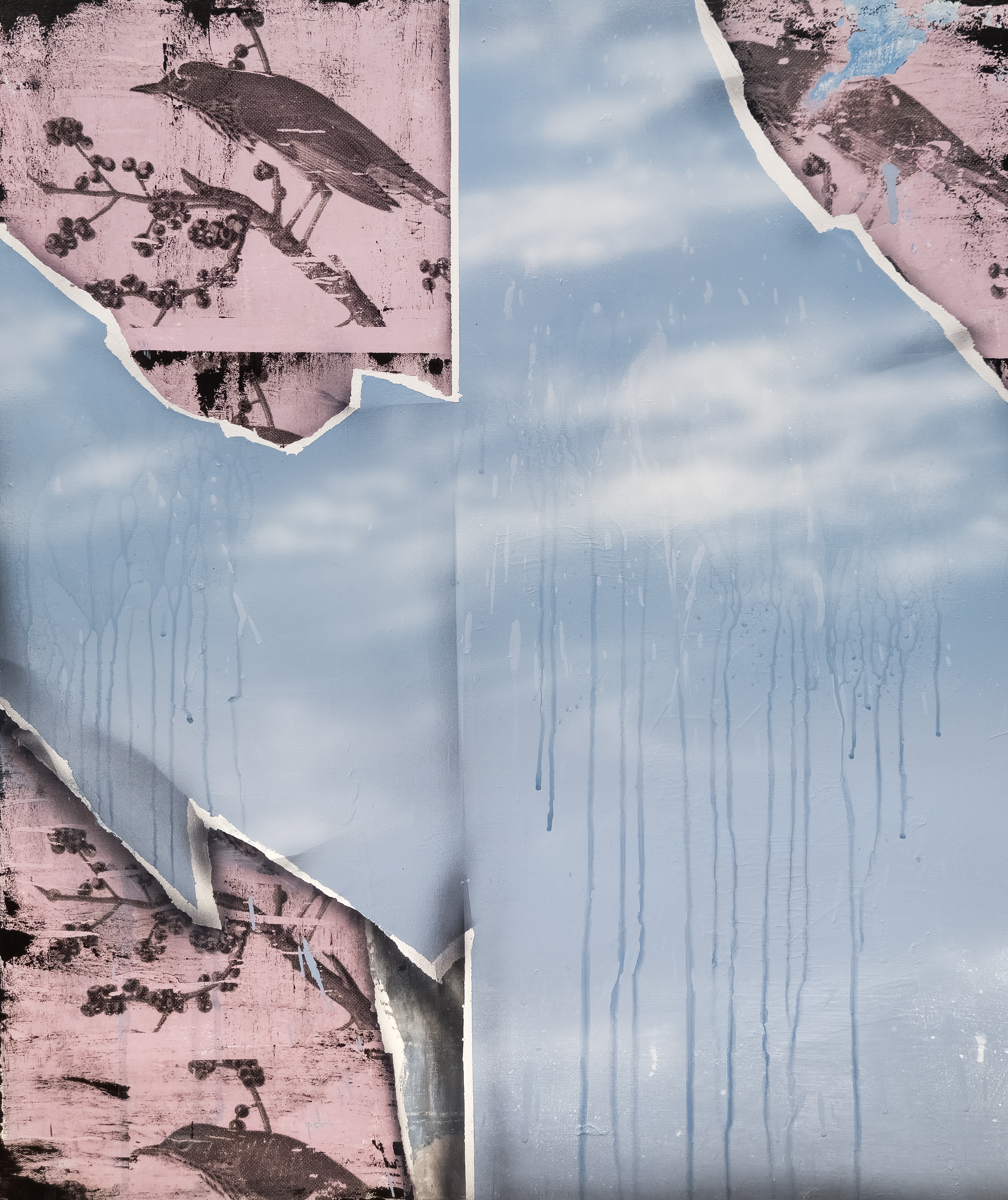
예를 들어 <구름 벽지와 드로잉> 연작에서 작가는 어린시절 오래된 집의 겹겹이 쌓인 벽지를 통해 보았던 시간의 흔적을 실제 공간까지 확장한다. 캔버스 뒷면의 틀과 전시장이라는 물리적 환경, 그리고 과거의 기억들은 서로를 관통하며 겹겹이 쌓이다 이내 어지럽게 흩어진다. 관람객의 눈은 캔버스 너머의 공간을 마주하며 사물의 파편을 쫓고, 머릿속에서 이들을 하나의 연극적 무대로 완결 짓지만, 이내 환영이 깨어지는 과정을 반복하게 된다. 이 불일치는 사물과 그림의 속성을 상대적으로 변경하며, 관람객으로 하여금 ‘내가 지금 보고 있는 것이 실재인가, 아니면 당신이 투영한 무대인가’라는 질문을 던지게 한다.
이러한 지점에서 권소진의 작품은 ‘미적 거리(Aesthetic Distance)’를 확보한다. 우리는 일상의 맥락에서 대상을 분리하고, 비로소 그것을 감상할 수 있는 ‘무대’ 위에 올려놓을 때 그 대상을 ‘그림 같다’고 감각한다. 작가는 현실이 너무나 현실적일 때가 아니라, 도리어 현실 같지 않을 때 비로소 풍경이 시작된다는 것을 알고 있다. 그의 시선은 믿음과 의심, 부재와 대체, 이미지와 사물이 서로를 비추는 찰나의 지점을 정교하게 포착한다.
결국 본 전시는 우리가 세계를 어떻게 ‘구성’하고 있는지를 묻는 과정이라 하겠다. 굵직한 일기예보 대신 바람의 냄새와 구름의 모양을 관찰하는 일, 벽지 속 하늘이 흐른다고 믿었던 어린 시절부터의 믿음, 그리고 그림과 사물 사이의 틈을 응시하는 일. 이 모든 행위는 우리가 무의식적으로 고착화해 온 ‘보는 법’에 대한 유쾌한 반란이다. 전시장이라는 무대 위에서 권소진은 묻는다. 사물이 계속해서 자신의 속성을 상대적으로 바꾸는 이 찰나의 순간에, 당신은 무엇을 보고 있는가. 캔버스라는 평면 위에 구축된 이 연극적 무대는, 사실 우리의 일상 곳곳에 숨어 있는 낯선 풍경을 발견하기 위함이다. 작가는 이번 전시를 통해 제비가 낮게 나는 그 미묘한 어긋남을 감각할 수 있는 예민한 시간을 감각하기를 제안한다.
아트사이드 갤러리에서 열리는 권소진의 개인전 《제비가 낮게 날면》은 이처럼 어제와 같다고 믿었던 평범한 일상에 균열이 생기는 바로 그 지점에서 출발한다. 먼저 작가는 우리가 어린 시절 품었던 인지적 상상력을 화폭 위로 불러온다. 구름 패턴 벽지 속의 하늘은 실제로 흘렀고, 종이로 접은 꽃에서는 알 수 없는 향기가 났으며, 오려 만든 새는 금방이라도 날아오를 듯 생생했다. 그때의 우리에게 그것들은 현실을 모방한 가짜가 아니라, 상상이 시작되는 그림이자 살아있는 사물 그 자체였다. 작가는 그 시절부터 아직까지 유효한 직관적인 감각을 화폭으로 옮겨오며, ‘그림 같은 것’과 ‘그림 같지 않은 것’의 경계를 허문다.
인간의 지각 체계는 파편화된 요소들을 단순히 받아들이는 것에 그치지 않고, 이를 통합하여 하나의 의미 있는 ‘전체’로 재구성하려는 경향을 갖는다. 권소진의 작품은 이러한 게슈탈트적 통합을 허락하면서도, 동시에 그 통합 과정을 방해함으로써 낯설음을 만들어낸다. 캔버스 위에 물감을 올려 만든 테이프, 가위로 종이를 오려 붙인 듯한 정교한 붓질과 먹 드로잉을 연상시키는 얇은 선들, 손으로 찢어낸 듯한 벽지의 질감은 실제와 비슷하지만 진짜가 아닌 것들로 완결된 상상의 순간에 슬쩍 균열을 낸다.
예를 들어 <구름 벽지와 드로잉> 연작에서 작가는 어린시절 오래된 집의 겹겹이 쌓인 벽지를 통해 보았던 시간의 흔적을 실제 공간까지 확장한다. 캔버스 뒷면의 틀과 전시장이라는 물리적 환경, 그리고 과거의 기억들은 서로를 관통하며 겹겹이 쌓이다 이내 어지럽게 흩어진다. 관람객의 눈은 캔버스 너머의 공간을 마주하며 사물의 파편을 쫓고, 머릿속에서 이들을 하나의 연극적 무대로 완결 짓지만, 이내 환영이 깨어지는 과정을 반복하게 된다. 이 불일치는 사물과 그림의 속성을 상대적으로 변경하며, 관람객으로 하여금 ‘내가 지금 보고 있는 것이 실재인가, 아니면 당신이 투영한 무대인가’라는 질문을 던지게 한다.
이러한 지점에서 권소진의 작품은 ‘미적 거리(Aesthetic Distance)’를 확보한다. 우리는 일상의 맥락에서 대상을 분리하고, 비로소 그것을 감상할 수 있는 ‘무대’ 위에 올려놓을 때 그 대상을 ‘그림 같다’고 감각한다. 작가는 현실이 너무나 현실적일 때가 아니라, 도리어 현실 같지 않을 때 비로소 풍경이 시작된다는 것을 알고 있다. 그의 시선은 믿음과 의심, 부재와 대체, 이미지와 사물이 서로를 비추는 찰나의 지점을 정교하게 포착한다.
결국 본 전시는 우리가 세계를 어떻게 ‘구성’하고 있는지를 묻는 과정이라 하겠다. 굵직한 일기예보 대신 바람의 냄새와 구름의 모양을 관찰하는 일, 벽지 속 하늘이 흐른다고 믿었던 어린 시절부터의 믿음, 그리고 그림과 사물 사이의 틈을 응시하는 일. 이 모든 행위는 우리가 무의식적으로 고착화해 온 ‘보는 법’에 대한 유쾌한 반란이다. 전시장이라는 무대 위에서 권소진은 묻는다. 사물이 계속해서 자신의 속성을 상대적으로 바꾸는 이 찰나의 순간에, 당신은 무엇을 보고 있는가. 캔버스라는 평면 위에 구축된 이 연극적 무대는, 사실 우리의 일상 곳곳에 숨어 있는 낯선 풍경을 발견하기 위함이다. 작가는 이번 전시를 통해 제비가 낮게 나는 그 미묘한 어긋남을 감각할 수 있는 예민한 시간을 감각하기를 제안한다.
Before rain falls, insects find their wings heavy with moisture, hovering close to the ground, unable to soar. Following this small prey, swallows also fly low. Thus, the low flight of a swallow is a subtle, clandestine signal that rain is approaching. In his book Weatherland, Tristan Gooley asks us: trapped in the repetitive, mundane words of "sunny" or "cloudy," have we lost the ability to sense the subtle signals of the world unfolding around us? The delicate moments when insects sense the humidity and birds read the grain of the wind—the moment we capture these fleeting signs, the everyday finally opens up into a vast landscape.
Kwon So-jin’s solo exhibition, When Swallows Fly Low, held at ARTSIDE Gallery, begins precisely at the point where cracks appear in the ordinary daily life we once believed to be unchanging. First, the artist calls upon the cognitive imagination we held in our childhood to the canvas. The sky within the cloud-patterned wallpaper actually flowed; the paper flowers emitted an unknown fragrance; and the cutout birds appeared vivid enough to take flight at any moment. To us then, these were not imitations of reality, but paintings where imagination began and living objects themselves. The artist transports this intuitive sense—still valid from those days—onto the canvas, dissolving the boundaries between “things that are like paintings” and “things that are not.”
The human perceptual system does not merely accept fragmented elements but tends to integrate them into a meaningful "whole." Kwon’s work permits this Gestalt-like integration while simultaneously disrupting the process, thereby creating a sense of defamiliarization. Paint rendered to look like tape on canvas, brushstrokes as precise as paper cutouts, thin lines reminiscent of ink drawings, and textures of wallpaper that look hand-torn—all these elements gently crack the moments of imagination completed by things that look real but are not.
For instance, in the Cloud Wallpaper and Drawing series, the artist extends the traces of time she once saw through the layers of wallpaper in her old childhood home into the actual space. The frame behind the canvas, the physical environment of the gallery, and memories of the past penetrate and overlap with one another, only to scatter in disarray. The viewer’s eye chases fragments of objects while facing the space beyond the canvas, completing them into a theatrical stage within the mind, only to repeatedly have that illusion shattered. This dissonance alters the properties of the objects and the paintings relatively, prompting the viewer to ask: "Is what I am seeing real, or is it a stage projected by you?"
At this junction, Kwon’s work secures an "aesthetic distance." We perceive an object as "picture-like" only when we detach it from its daily context and place it upon a "stage" where it can be appreciated. The artist understands that a landscape begins not when reality is at its most realistic, but when it feels unreal. Her gaze precisely captures the fleeting moments where belief and doubt, absence and substitution, and image and object reflect one another.
Ultimately, this exhibition is a process of questioning how we "construct" the world. Observing the scent of the wind and the shape of the clouds instead of routine weather forecasts, the childhood belief that the sky in the wallpaper flowed, and gazing into the gap between painting and object—all these acts are a playful rebellion against the "ways of seeing" we have unconsciously solidified. On the stage of the gallery, Kwon asks: in this fleeting moment where objects continuously shift their properties, what are you seeing? This theatrical stage, built upon the plane of the canvas, is intended to help us discover the unfamiliar landscapes hidden throughout our daily lives. Through this exhibition, the artist invites us to sense the sensitive time—the subtle misalignment where, like the swallow, the world flies low.
Kwon So-jin’s solo exhibition, When Swallows Fly Low, held at ARTSIDE Gallery, begins precisely at the point where cracks appear in the ordinary daily life we once believed to be unchanging. First, the artist calls upon the cognitive imagination we held in our childhood to the canvas. The sky within the cloud-patterned wallpaper actually flowed; the paper flowers emitted an unknown fragrance; and the cutout birds appeared vivid enough to take flight at any moment. To us then, these were not imitations of reality, but paintings where imagination began and living objects themselves. The artist transports this intuitive sense—still valid from those days—onto the canvas, dissolving the boundaries between “things that are like paintings” and “things that are not.”
The human perceptual system does not merely accept fragmented elements but tends to integrate them into a meaningful "whole." Kwon’s work permits this Gestalt-like integration while simultaneously disrupting the process, thereby creating a sense of defamiliarization. Paint rendered to look like tape on canvas, brushstrokes as precise as paper cutouts, thin lines reminiscent of ink drawings, and textures of wallpaper that look hand-torn—all these elements gently crack the moments of imagination completed by things that look real but are not.
For instance, in the Cloud Wallpaper and Drawing series, the artist extends the traces of time she once saw through the layers of wallpaper in her old childhood home into the actual space. The frame behind the canvas, the physical environment of the gallery, and memories of the past penetrate and overlap with one another, only to scatter in disarray. The viewer’s eye chases fragments of objects while facing the space beyond the canvas, completing them into a theatrical stage within the mind, only to repeatedly have that illusion shattered. This dissonance alters the properties of the objects and the paintings relatively, prompting the viewer to ask: "Is what I am seeing real, or is it a stage projected by you?"
At this junction, Kwon’s work secures an "aesthetic distance." We perceive an object as "picture-like" only when we detach it from its daily context and place it upon a "stage" where it can be appreciated. The artist understands that a landscape begins not when reality is at its most realistic, but when it feels unreal. Her gaze precisely captures the fleeting moments where belief and doubt, absence and substitution, and image and object reflect one another.
Ultimately, this exhibition is a process of questioning how we "construct" the world. Observing the scent of the wind and the shape of the clouds instead of routine weather forecasts, the childhood belief that the sky in the wallpaper flowed, and gazing into the gap between painting and object—all these acts are a playful rebellion against the "ways of seeing" we have unconsciously solidified. On the stage of the gallery, Kwon asks: in this fleeting moment where objects continuously shift their properties, what are you seeing? This theatrical stage, built upon the plane of the canvas, is intended to help us discover the unfamiliar landscapes hidden throughout our daily lives. Through this exhibition, the artist invites us to sense the sensitive time—the subtle misalignment where, like the swallow, the world flies low.