Ryu Juyoung,
Kang Junseok
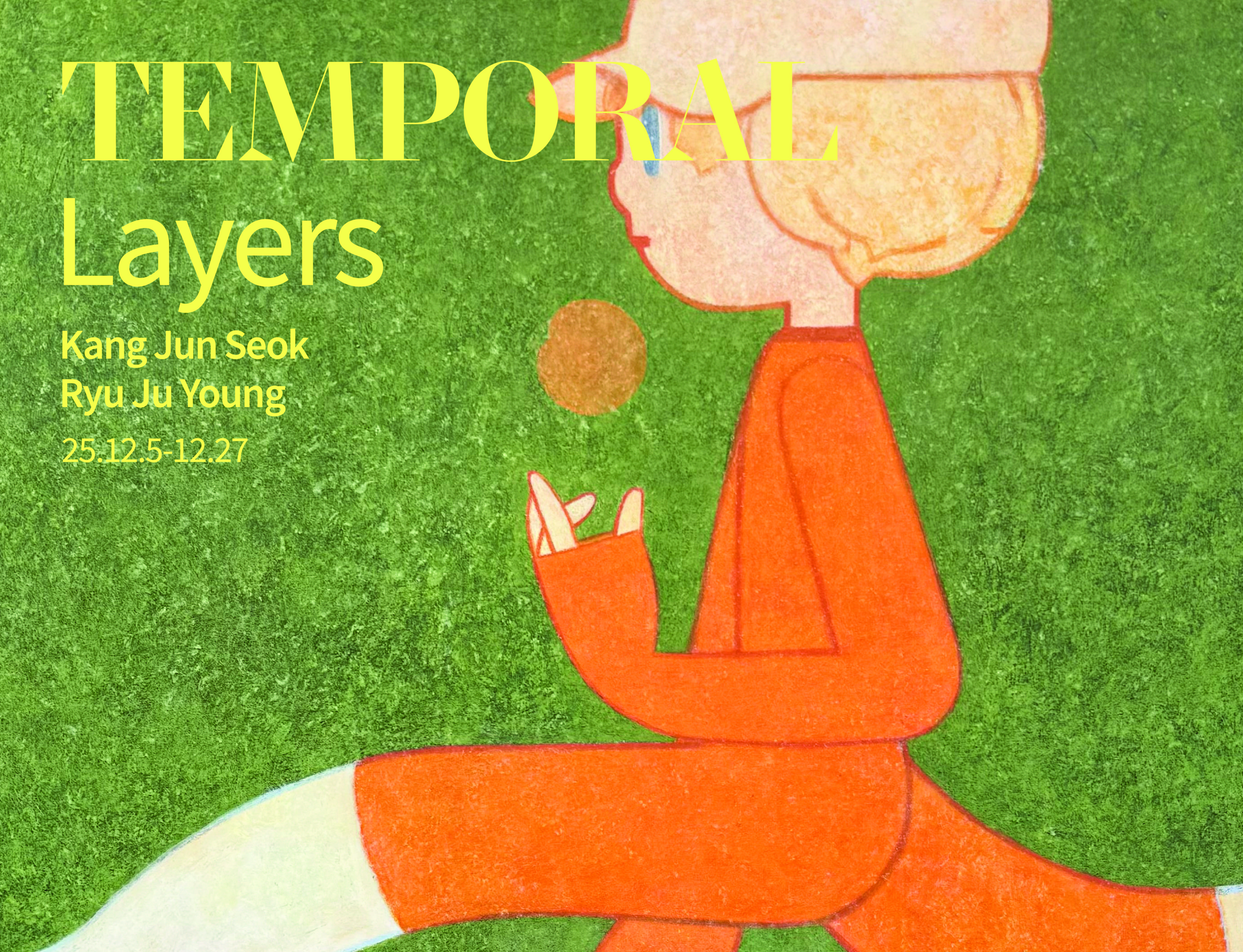
- Temporal Layers
Dec. 5, 2025 - Dec. 27, 2025
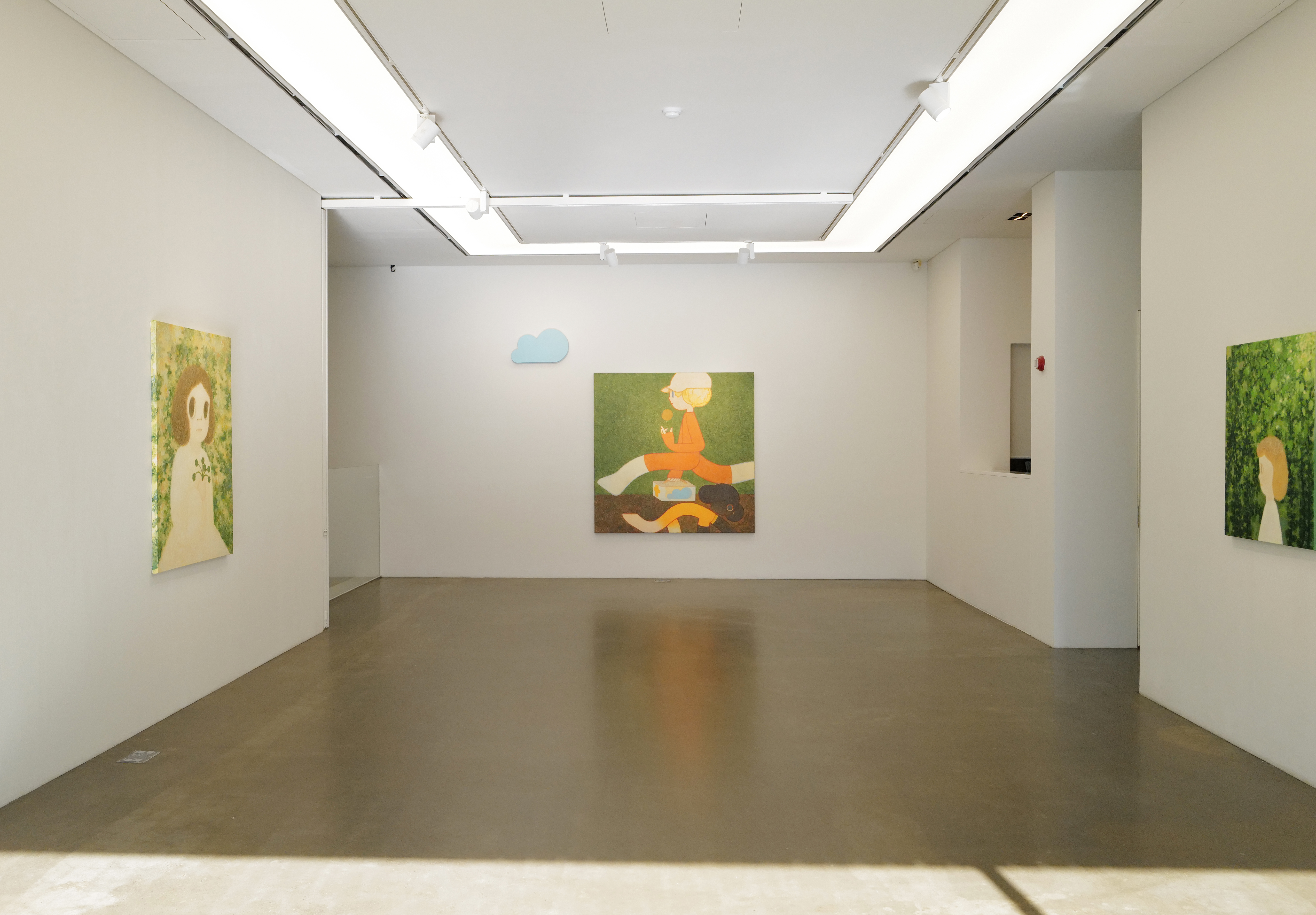
기억과 사유의 공간은 시간의 축적을 통해 형성된다. 무릇 그렇게 형성된 공간은 지나치게 사적인 영역이기 마련이지만, 함께 시간을 공유하며 살아가는 일은 결국 그 사적인 내면을 공유하고 조성해 가는 행위가 된다. 아트사이드 갤러리에서 12월 27일까지 진행되는 이번 전시 《Temporal Layers》는 강준석, 류주영이 부부로서 함께 쌓아 온 그들만의 시공간을 처음으로 조명하는 자리다.
시작의 정원
류주영에게 이번 전시는 정원이라는 장소에서 시작되었다. 여기서의 정원은 두 사람이 함께 쌓아온 삶이 축소된 세계이자 이상향의 모형과 같다. “돌 하나하나를 옮기고, 굳은 땅을 파며, 나무 한 그루를 심었던 시간들이 그대로 담겨 있다”는 그의 말처럼 정원은 공동의 기억이 축적된 공간이자, 두 사람의 감각이 함께 모이는 장소이다.
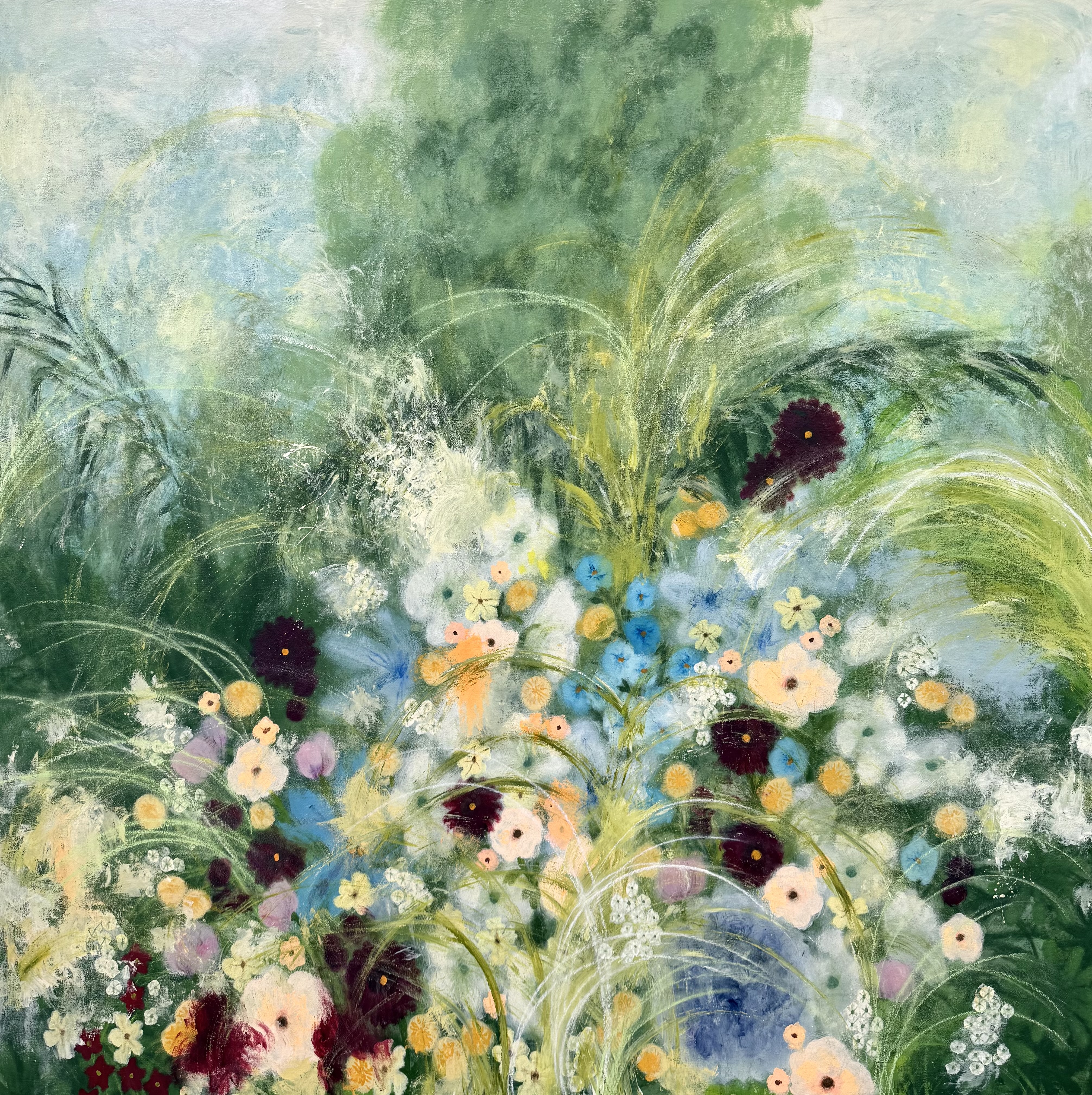
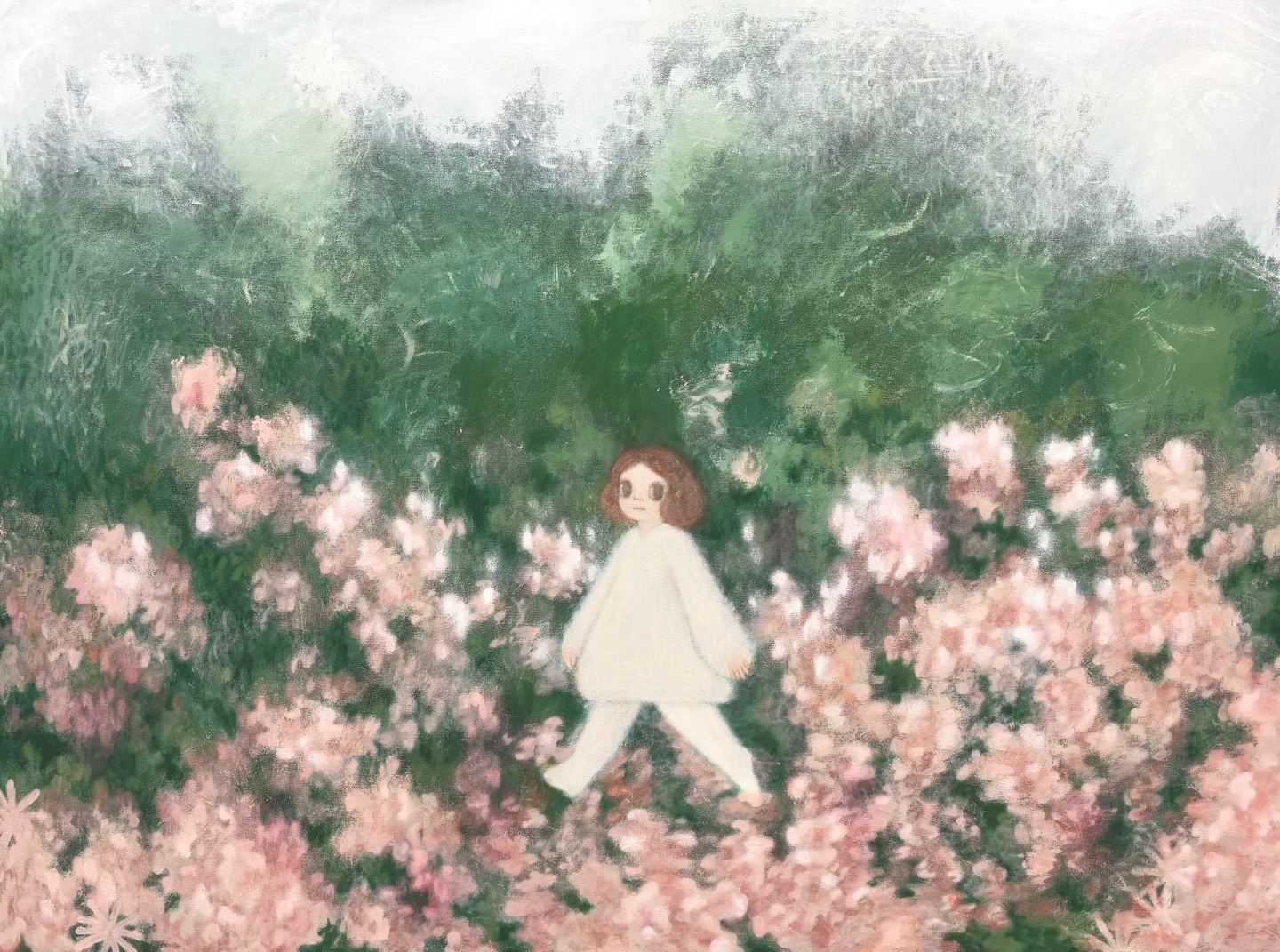
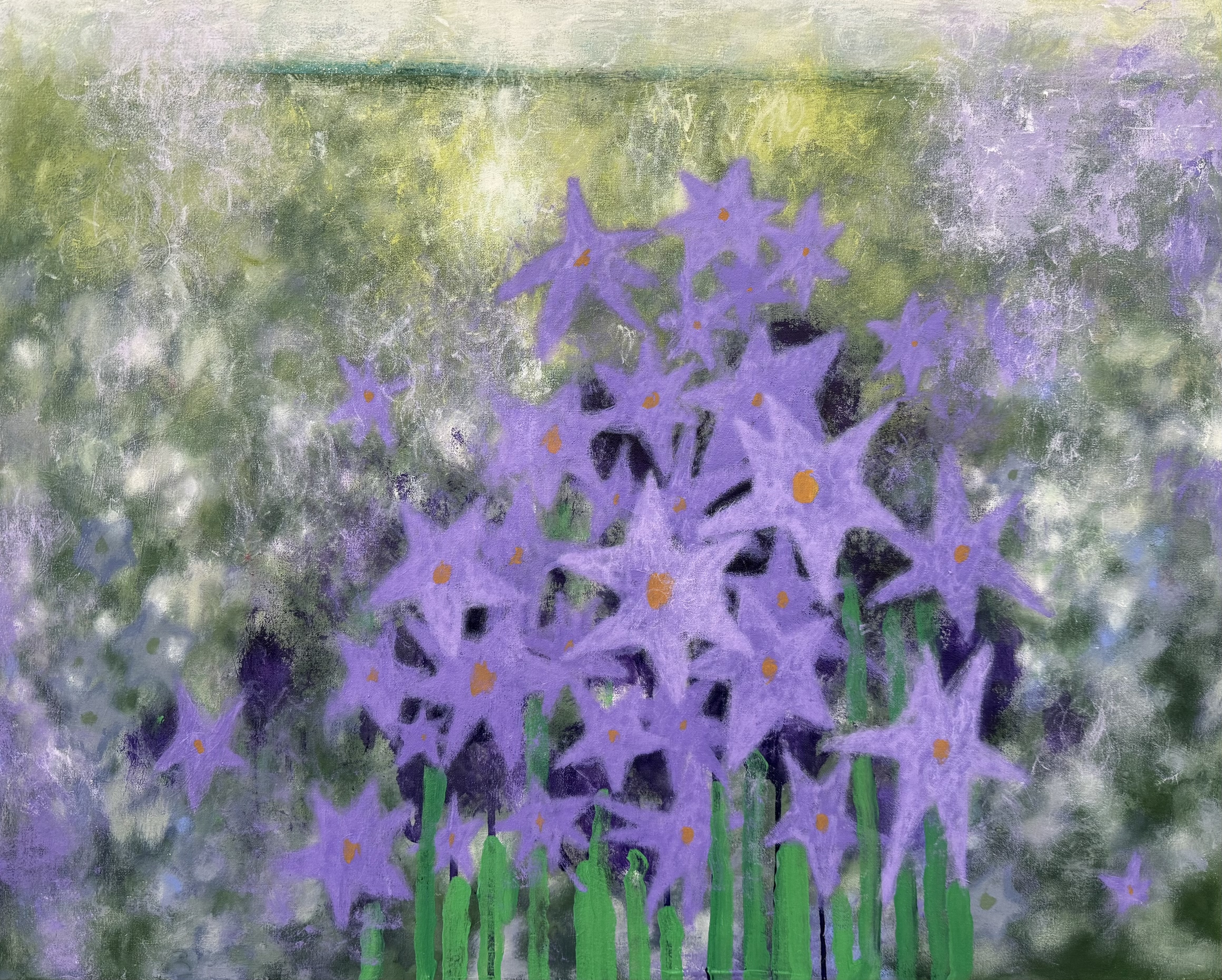
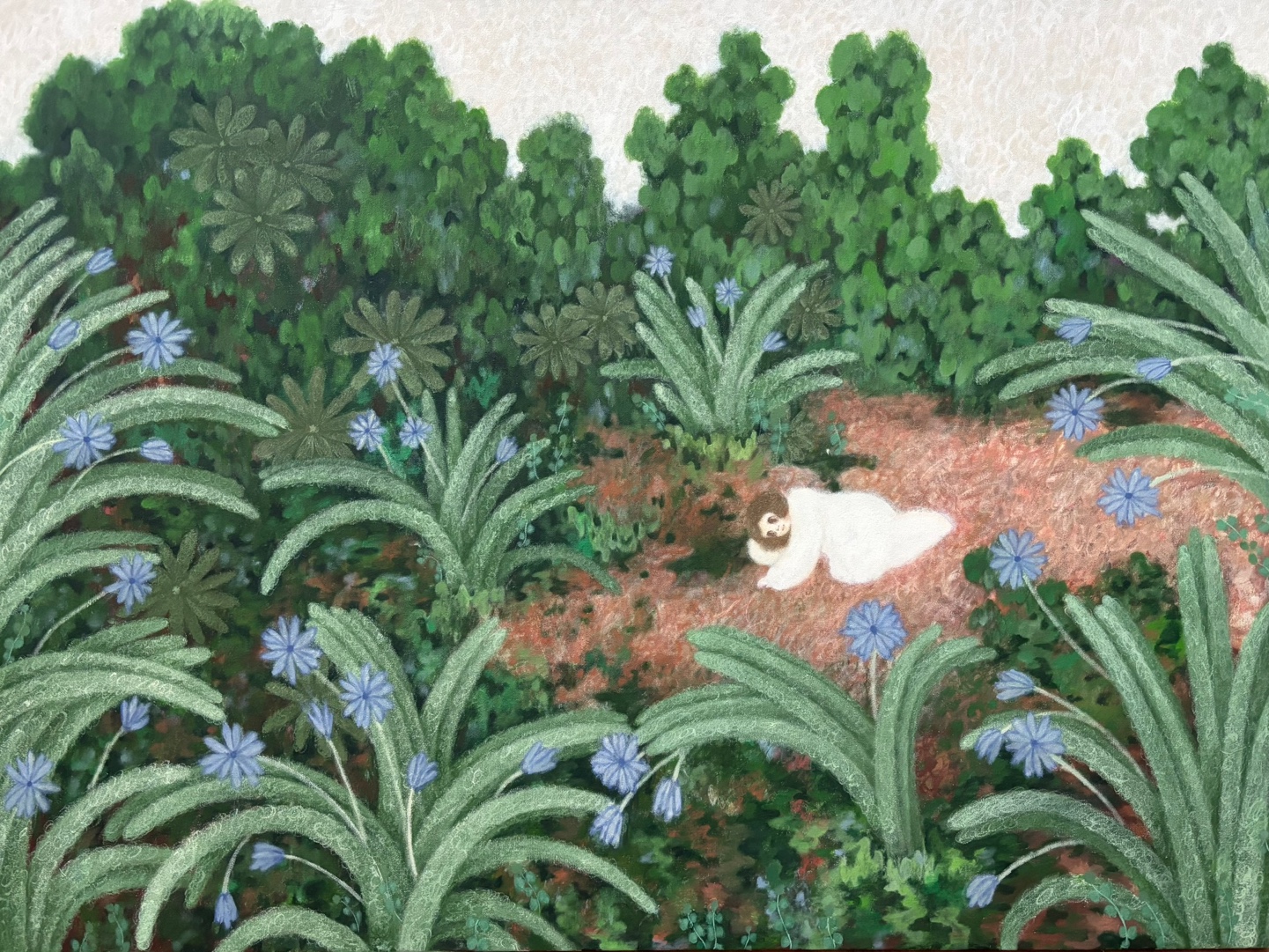
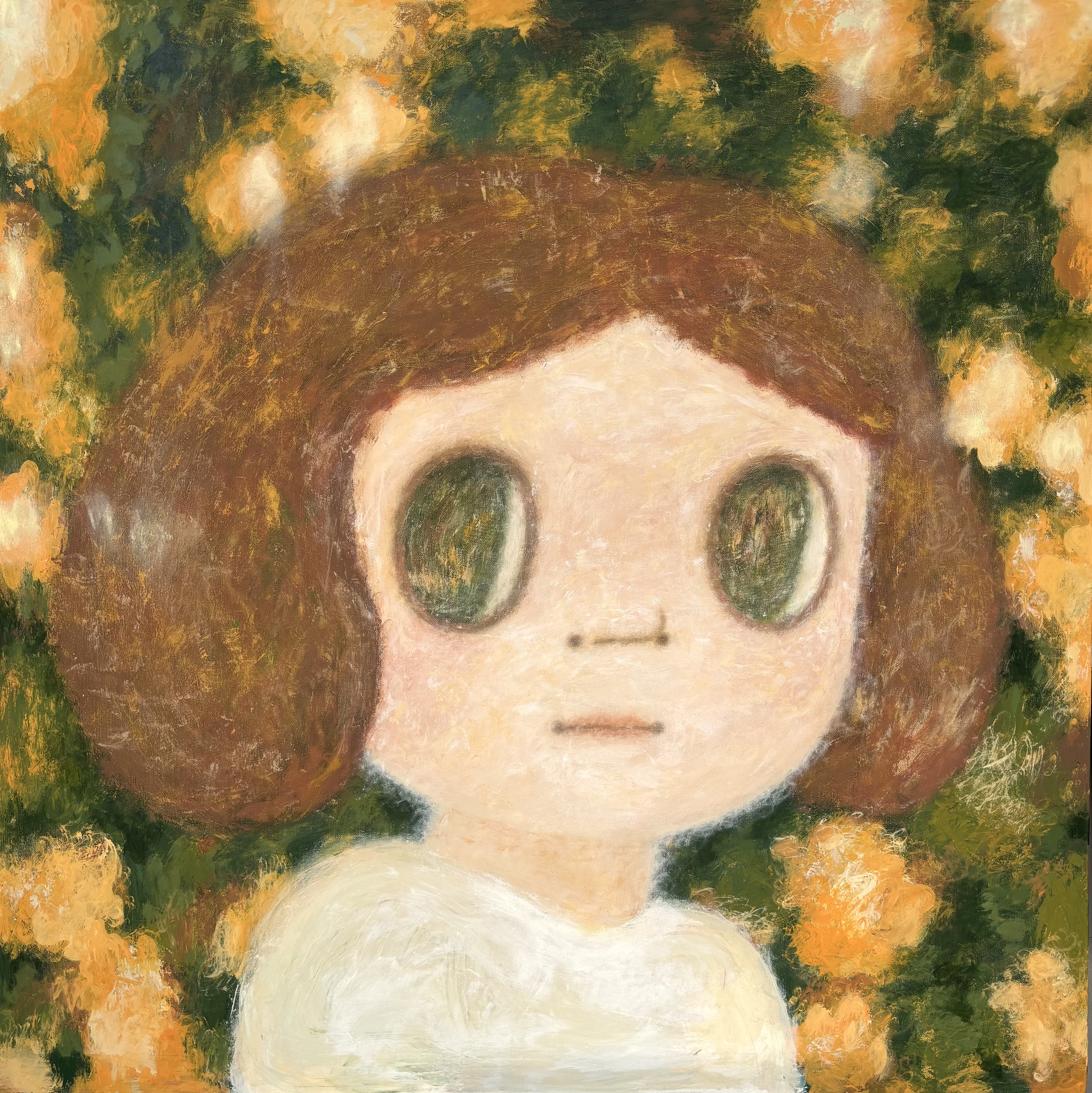
정원은 본디 주변 환경과 그곳을 향유하고자 하는 인간의 사유가 가장 정교하게 만나는 교차점이다. 그들만의 정원을 조성하기 위해 작가는 자연의 결, 바람의 방향, 풀과 꽃의 리듬에 감각을 열었다. 그리하여 이번 전시에서 선보이는 류주영의 근작들은 이전보다 생동감을 담아냈다. 그간 작은 붓으로 색을 겹쳐 부드럽게 쌓아 올려냈다면 이번에는 붓의 크기를 다양하게 바꿔보거나 조금씩 붓을 흘려내는 기법으로 자연에서 느껴지는 감각을 풀어낸 것이다. 예컨대 대작 <Our Garden, Like a Little Forest>에는 작가의 취향으로 가꾸어진 꽃이 그만의 표현적인 터치를 거쳐 피어난다. 가까이서 보면 살짝 뭉게진 듯한 색채들은 겹겹이 조화를 이루며, 하나의 작은 숲과 같은 소우주를 형성한다. 또한 <북풍과 서풍을 지나>, <이제는 밝은 하늘>에서는 작가가 느꼈던 바람이나 풀의 결들을 느낄 수 있는 필치로 조금씩 추상화되며 거대한 자연으로부터 느낄 수 있는 감정들을 환기한다.
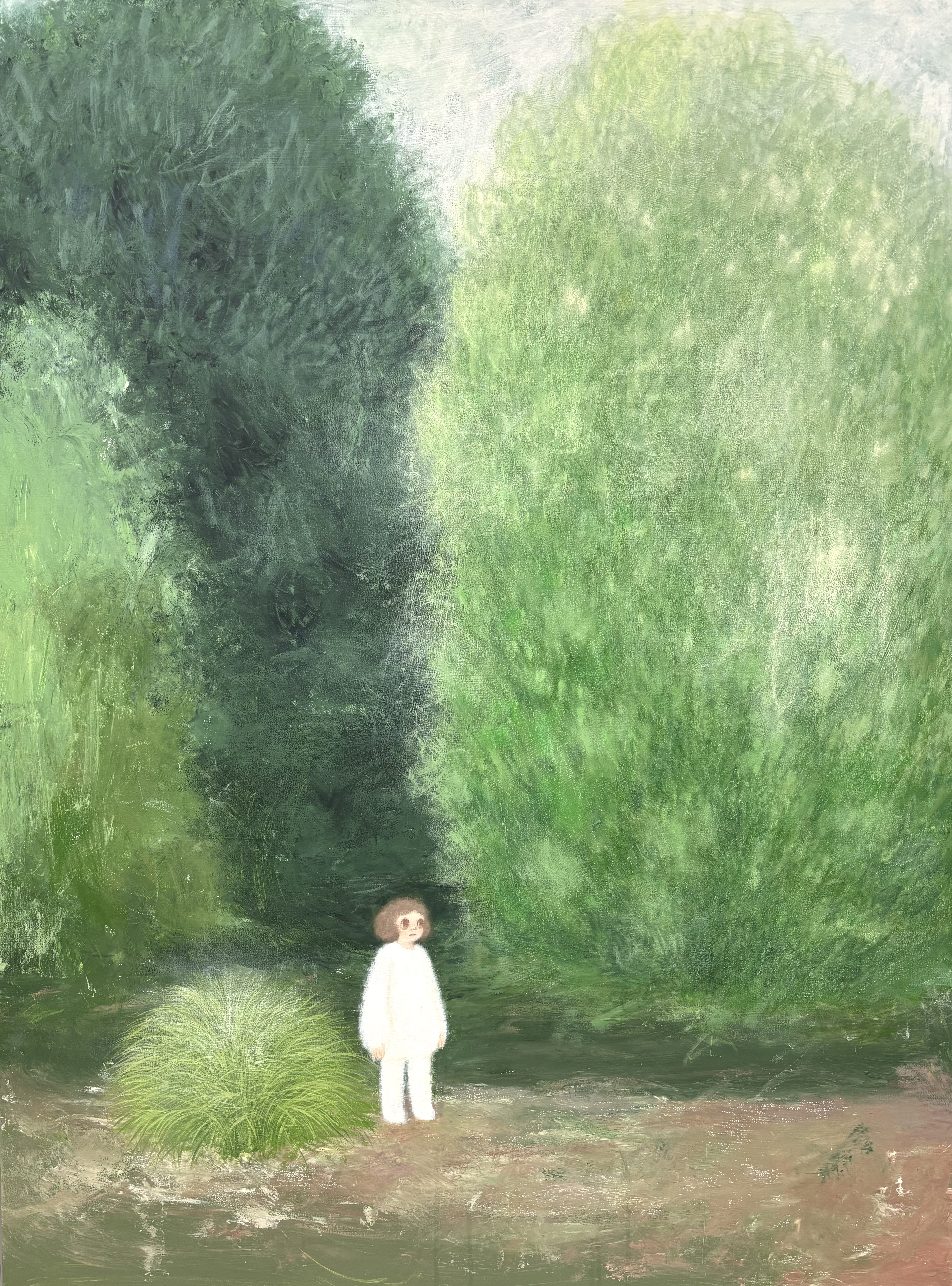
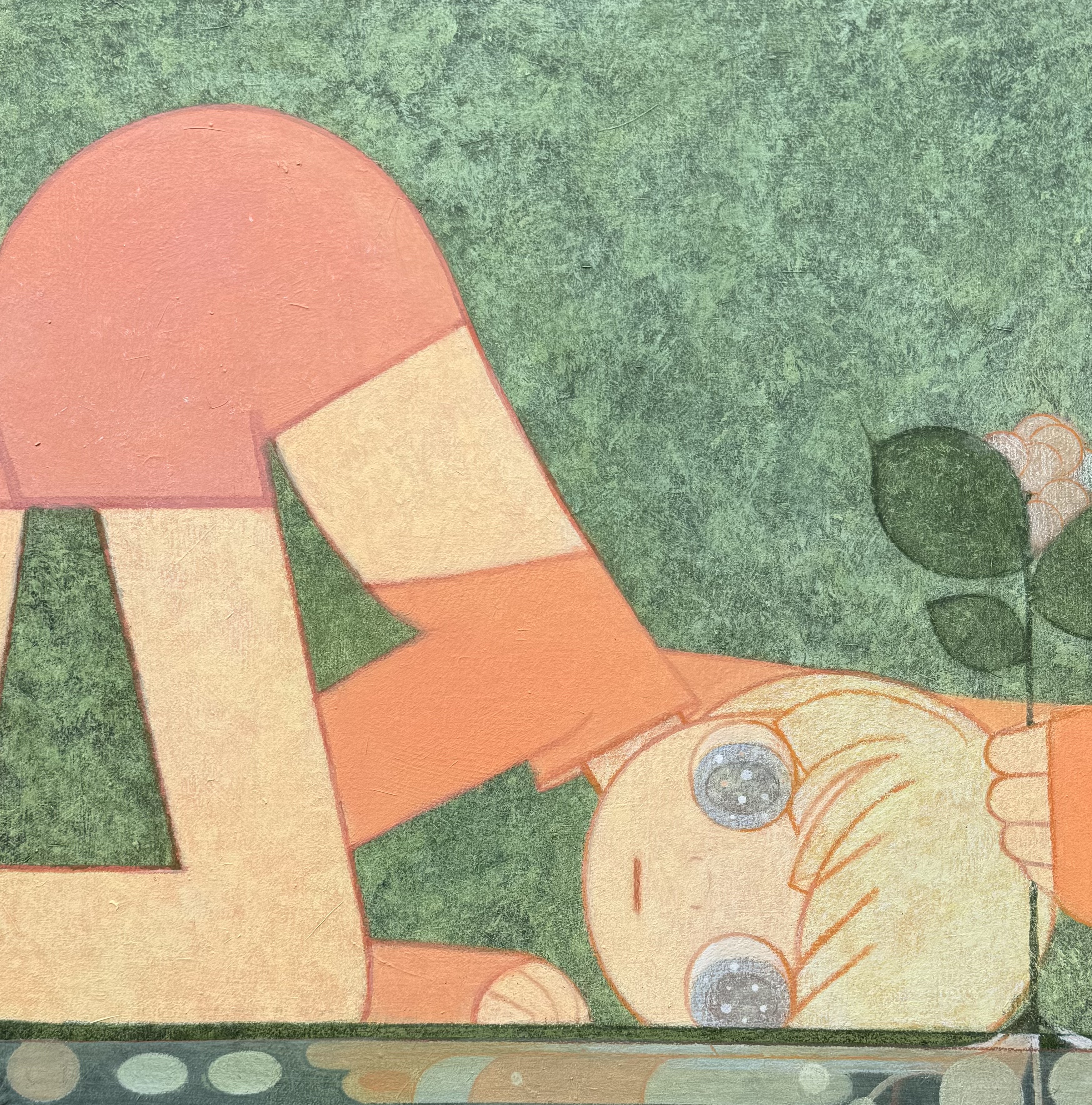
거대한 자연을 마주해 숭고함을 느끼는 것은 그 앞을 마주하고 선 인간의 크기가 한없이 작게 느껴진다는 것을 느끼는 시간이기도 하다. 류주영의 작품 속에는 종종 이를 느끼는 작은 아이가 등장한다. 커다란 자연 속에서 편안히 누워있거나 걷고, 앉아서 자연을 있는 그대로 감각하는 이 작은 아이의 존재는 작가 자신이 자연 앞에서 느낀 겸허함과 고요함, 삶을 다시 배우는 태도를 상징한다.
끝을 향한 역설
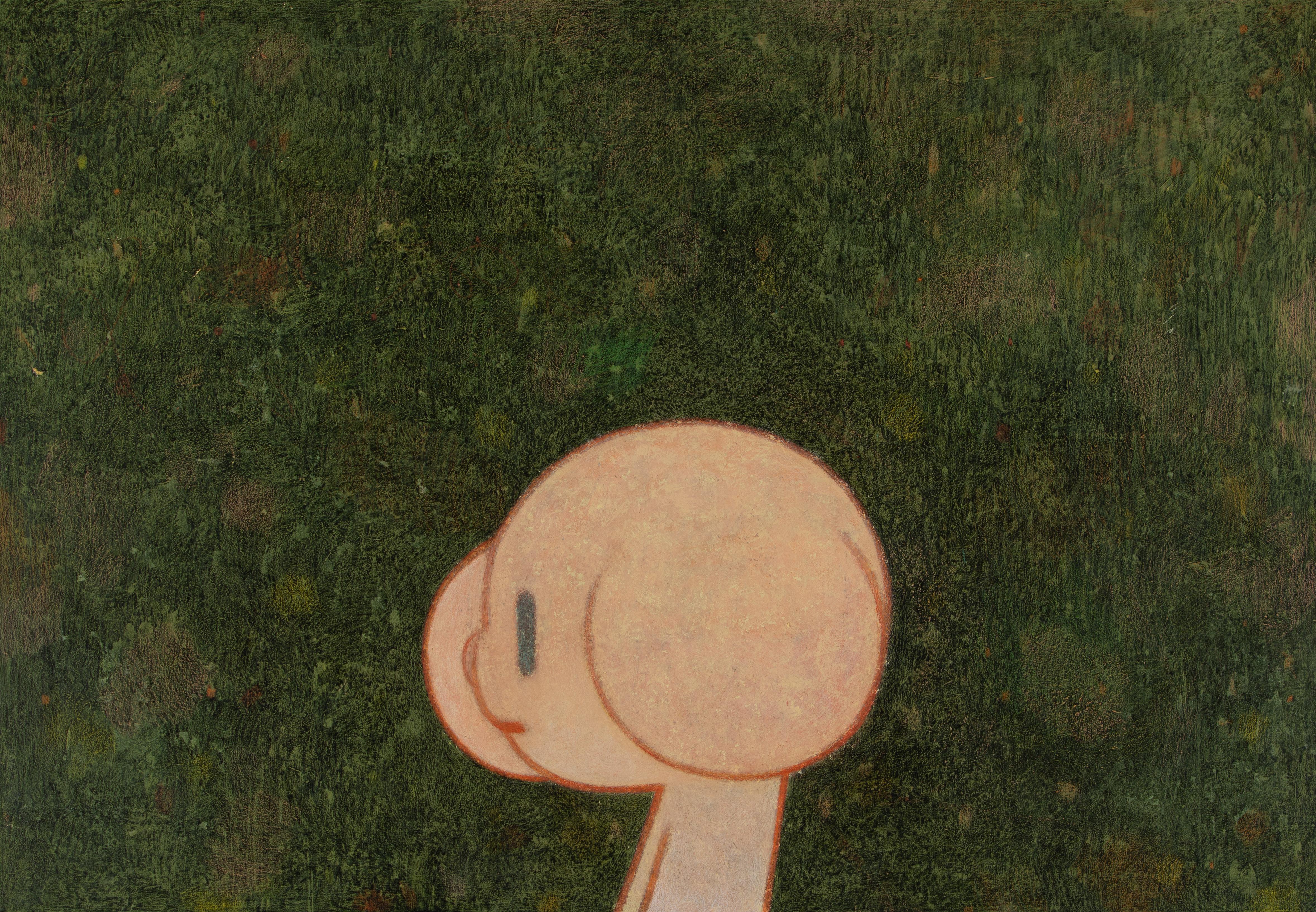
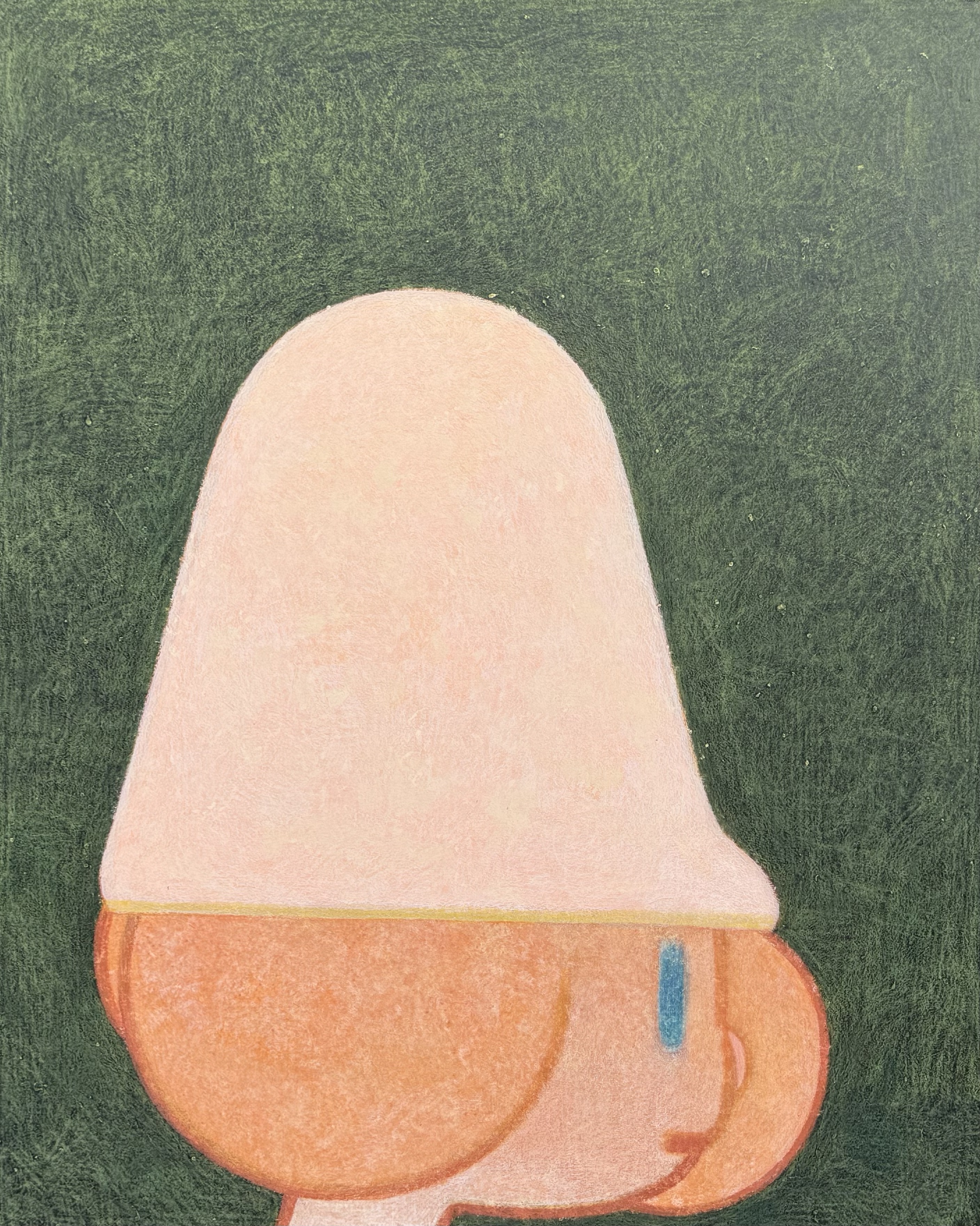
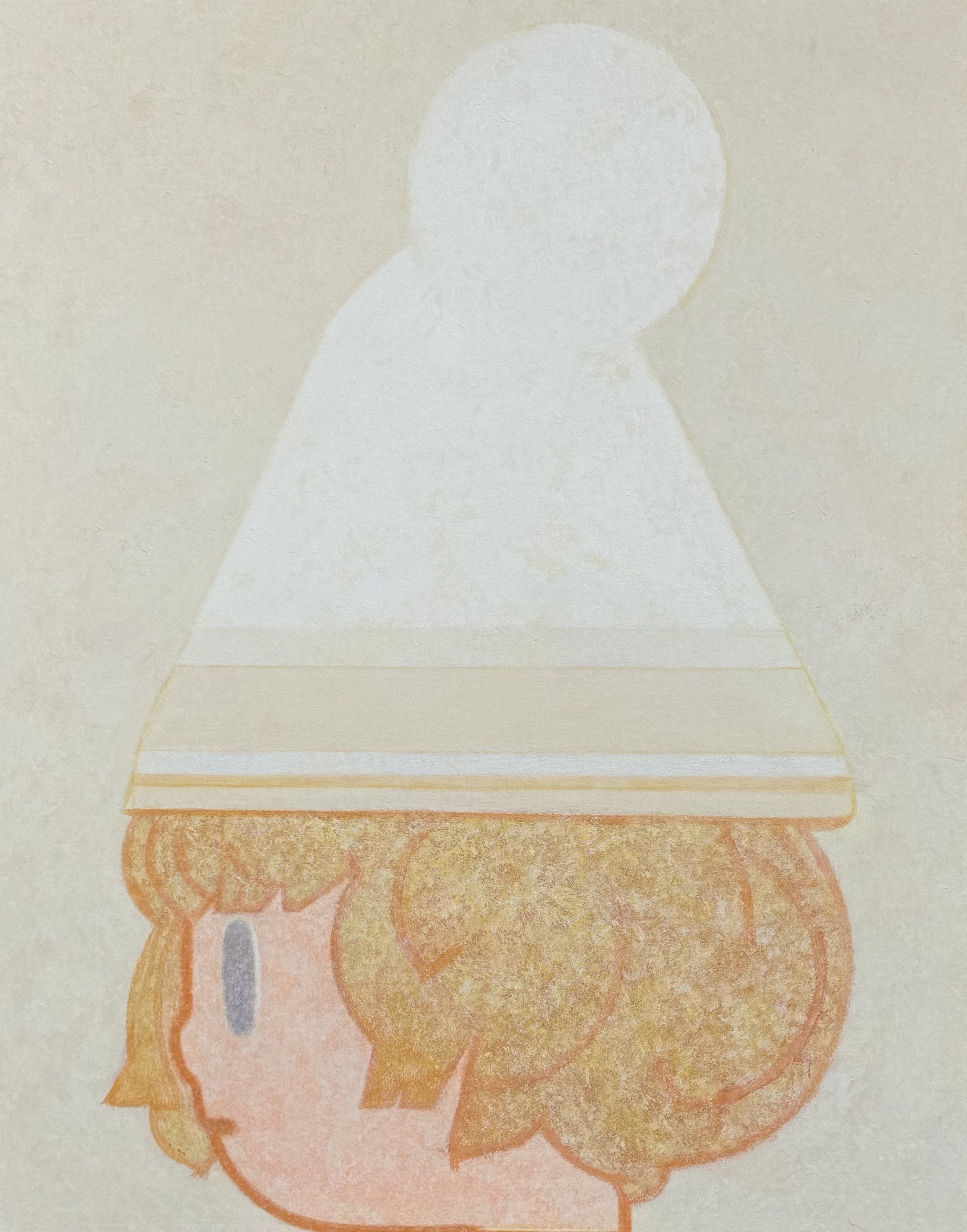
류주영이 자연에 대한 숭고함을 그만의 특유한 붓질로 쌓아 올린다면, 강준석의 화면은 고요함과 여백 속에서 시간의 흔적을 빚어낸다. 작업 초기부터 그는 강렬한 색을 덮고 긁어내는 고유의 기법을 이어왔는데, 그 행위는 날카로움 보다는 부드러운 결을 남기며 색의 입자가 화면 위에 부유하도록 만든다. 그 결과 류주영의 생동하는 자연과는 다르게 고요히 정지된 스틸컷 같은 집이나 풍경들이 묘사되는데, 겉으로는 정적인 구성이지만 그 안의 색들은 은밀히 진동하며 화면 전체에 미세한 리듬을 부여한다. 특히나 이번 신작부터는 거칠게 남겨두었던 여백을 색연필로 부드럽게 채워 넣으며 더욱 다층적인 색감과 질감을 만들어냈다. 전시의 제목과 같이 작업의 레이어를 켜켜이 쌓아 올리며 시간성을 드러내는 것이다.
이렇게 비슷하게, 하지만 다르게 켜켜이 쌓이는 두 작가의 색채는 그들의 관계를 은유한다. 류주영이 함께 정원을 가꾸기 시작한 시점을 주목했다면 강준석은 잘 헤어지는 것에 대한 고민으로부터 이번 전시를 출발했다. 그가 말하는 헤어짐은 단순한 이별은 아니다. 함께하고 영원하길 바랄수록 오히려 그것이 멀어지는 경험 속에서 그는 열망할수록 멀어지는 단순하고도 역설적인 진실을 마주했다. “가장 잘 헤어진다는 것은 역설적이게도 가장 오래 함께하고 싶은 마음의 시작”이라고 말한 것과 같이 그들이 공유하는 집과 풍경은 함께함이 축적되는 장소이자 그 끝의 헤어짐을 가장 잘 준비할 수 있는, 그것을 담아내는 공간과도 같다.
이번 전시 《Temporal Layers》는 언뜻 비슷해 보이지만 서로 다른 조형 언어로 공통된 주제 아래, 두 작가가 각자의 시작과 다가올 끝을 함께 사유하게 하는 시간의 지형도이며, 흐르는 시간이 아니라 켜켜이 쌓여 남은 시간을 조명하는 자리이다. 그들의 작품을 통해 함께 축적된 시간의 결이 어떻게 머무는지를 고요히 느끼는 시간이 되기를 바란다.
시작의 정원
류주영에게 이번 전시는 정원이라는 장소에서 시작되었다. 여기서의 정원은 두 사람이 함께 쌓아온 삶이 축소된 세계이자 이상향의 모형과 같다. “돌 하나하나를 옮기고, 굳은 땅을 파며, 나무 한 그루를 심었던 시간들이 그대로 담겨 있다”는 그의 말처럼 정원은 공동의 기억이 축적된 공간이자, 두 사람의 감각이 함께 모이는 장소이다.
정원은 본디 주변 환경과 그곳을 향유하고자 하는 인간의 사유가 가장 정교하게 만나는 교차점이다. 그들만의 정원을 조성하기 위해 작가는 자연의 결, 바람의 방향, 풀과 꽃의 리듬에 감각을 열었다. 그리하여 이번 전시에서 선보이는 류주영의 근작들은 이전보다 생동감을 담아냈다. 그간 작은 붓으로 색을 겹쳐 부드럽게 쌓아 올려냈다면 이번에는 붓의 크기를 다양하게 바꿔보거나 조금씩 붓을 흘려내는 기법으로 자연에서 느껴지는 감각을 풀어낸 것이다. 예컨대 대작 <Our Garden, Like a Little Forest>에는 작가의 취향으로 가꾸어진 꽃이 그만의 표현적인 터치를 거쳐 피어난다. 가까이서 보면 살짝 뭉게진 듯한 색채들은 겹겹이 조화를 이루며, 하나의 작은 숲과 같은 소우주를 형성한다. 또한 <북풍과 서풍을 지나>, <이제는 밝은 하늘>에서는 작가가 느꼈던 바람이나 풀의 결들을 느낄 수 있는 필치로 조금씩 추상화되며 거대한 자연으로부터 느낄 수 있는 감정들을 환기한다.
거대한 자연을 마주해 숭고함을 느끼는 것은 그 앞을 마주하고 선 인간의 크기가 한없이 작게 느껴진다는 것을 느끼는 시간이기도 하다. 류주영의 작품 속에는 종종 이를 느끼는 작은 아이가 등장한다. 커다란 자연 속에서 편안히 누워있거나 걷고, 앉아서 자연을 있는 그대로 감각하는 이 작은 아이의 존재는 작가 자신이 자연 앞에서 느낀 겸허함과 고요함, 삶을 다시 배우는 태도를 상징한다.
끝을 향한 역설
류주영이 자연에 대한 숭고함을 그만의 특유한 붓질로 쌓아 올린다면, 강준석의 화면은 고요함과 여백 속에서 시간의 흔적을 빚어낸다. 작업 초기부터 그는 강렬한 색을 덮고 긁어내는 고유의 기법을 이어왔는데, 그 행위는 날카로움 보다는 부드러운 결을 남기며 색의 입자가 화면 위에 부유하도록 만든다. 그 결과 류주영의 생동하는 자연과는 다르게 고요히 정지된 스틸컷 같은 집이나 풍경들이 묘사되는데, 겉으로는 정적인 구성이지만 그 안의 색들은 은밀히 진동하며 화면 전체에 미세한 리듬을 부여한다. 특히나 이번 신작부터는 거칠게 남겨두었던 여백을 색연필로 부드럽게 채워 넣으며 더욱 다층적인 색감과 질감을 만들어냈다. 전시의 제목과 같이 작업의 레이어를 켜켜이 쌓아 올리며 시간성을 드러내는 것이다.
이렇게 비슷하게, 하지만 다르게 켜켜이 쌓이는 두 작가의 색채는 그들의 관계를 은유한다. 류주영이 함께 정원을 가꾸기 시작한 시점을 주목했다면 강준석은 잘 헤어지는 것에 대한 고민으로부터 이번 전시를 출발했다. 그가 말하는 헤어짐은 단순한 이별은 아니다. 함께하고 영원하길 바랄수록 오히려 그것이 멀어지는 경험 속에서 그는 열망할수록 멀어지는 단순하고도 역설적인 진실을 마주했다. “가장 잘 헤어진다는 것은 역설적이게도 가장 오래 함께하고 싶은 마음의 시작”이라고 말한 것과 같이 그들이 공유하는 집과 풍경은 함께함이 축적되는 장소이자 그 끝의 헤어짐을 가장 잘 준비할 수 있는, 그것을 담아내는 공간과도 같다.
이번 전시 《Temporal Layers》는 언뜻 비슷해 보이지만 서로 다른 조형 언어로 공통된 주제 아래, 두 작가가 각자의 시작과 다가올 끝을 함께 사유하게 하는 시간의 지형도이며, 흐르는 시간이 아니라 켜켜이 쌓여 남은 시간을 조명하는 자리이다. 그들의 작품을 통해 함께 축적된 시간의 결이 어떻게 머무는지를 고요히 느끼는 시간이 되기를 바란다.
The space of memory and thought is formed through the accumulation of time. Such a space, by its nature, becomes profoundly private; yet living together and sharing time ultimately means sharing and shaping these inner realms with one another. The exhibition 《Temporal Layers》, on view at Artside Gallery through December 27, marks the first occasion to illuminate the unique spacetime that artists Kang Junseok and Ryu Ju-young have built together as a married couple.
The Garden of Beginnings
For Ryu Ju-young, this exhibition began with the notion of a garden. Here, the garden is not merely a physical site but a microcosm of the life the two have cultivated together—an ideal space shaped by shared labor and time. As the artist notes, “Every moment spent moving stones, breaking hardened soil, and planting each tree remains intact here.” The garden becomes a vessel of collective memory and a place where their senses converge.
A garden is, fundamentally, the meeting point where the surrounding environment and the human desire to experience it come together with the utmost subtlety. In creating their own garden, the artist attuned herself to the textures of nature—the direction of wind, the rhythms of grass and flowers. As a result, the newest works presented in this exhibition capture a livelier sensibility than before. Whereas she once built up soft layers using small brushes, she now varies brush sizes or allows the paint to flow more freely, translating the sensations of nature into painterly gestures.
In the large-scale work Our Garden, Like a Little Forest, flowers cultivated according to the artist’s own sensibilities bloom through her expressive touch. Up close, the slightly blurred and diffused colors converge into harmonious layers, forming a small universe that resembles a compact forest. In works such as Passing the North Wind and the West Wind and Now the Sky Is Bright, traces of wind and the texture of grass gradually abstract into strokes that evoke emotions born from encounters with vast natural landscapes.
To stand before immense nature and feel the sublime is also to recognize one’s own smallness. In Ryu’s works, a small child often appears—lying down, walking, or sitting quietly within nature as it truly is. This child represents the humility, stillness, and willingness to learn anew that the artist herself experiences before nature.
A Paradox Toward the End
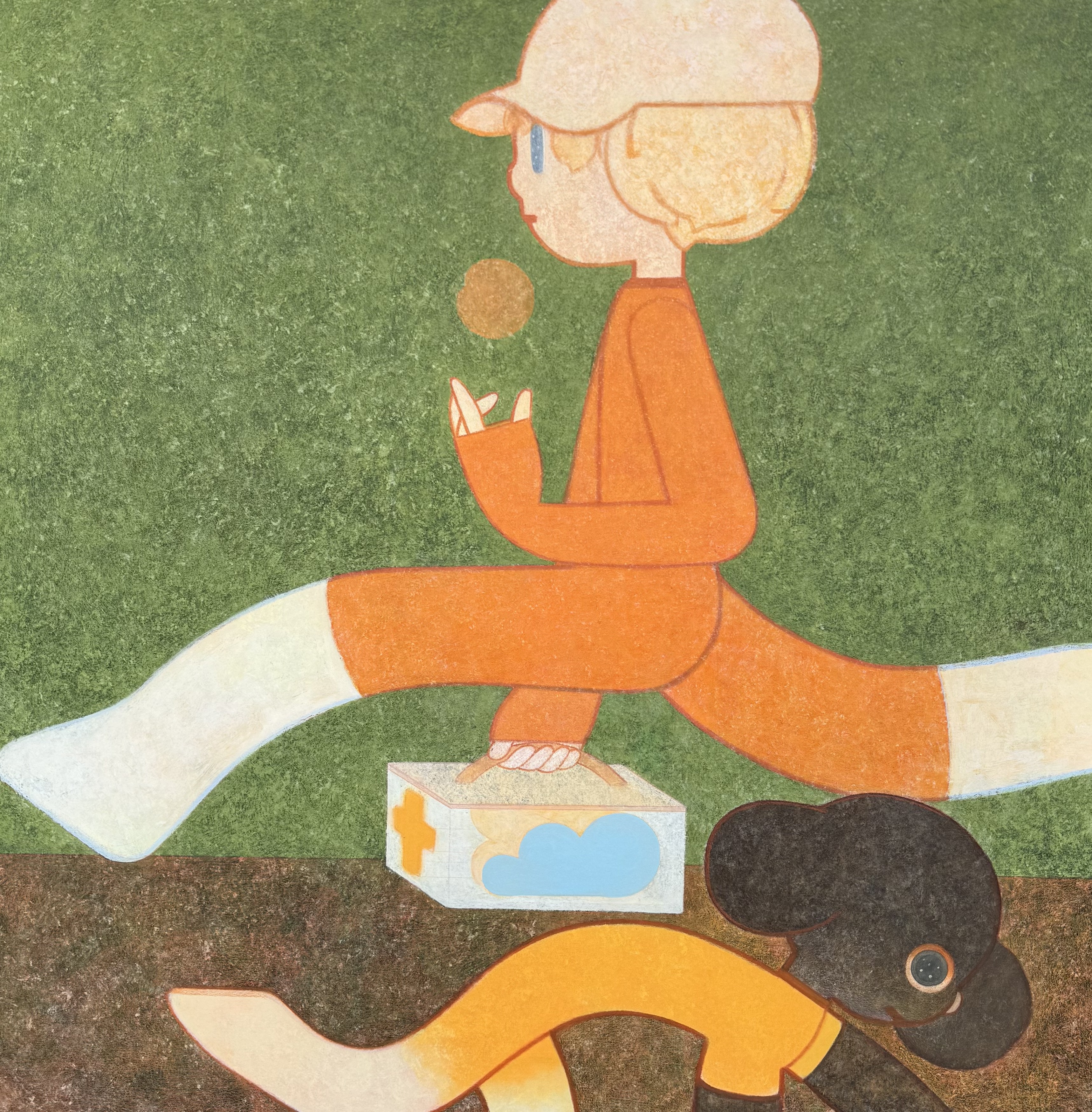
If Ryu Ju-young builds up the sublimity of nature through her distinctive brushwork, Kang Junseok forms traces of time through stillness and empty space. Since the beginning of his practice, he has covered intense colors and scraped them away, leaving behind not harsh marks but soft grains that allow pigments to float across the surface. Unlike Ryu’s vibrant nature, his scenes of houses and landscapes appear like static still frames—calmly composed, yet subtly vibrating with hidden chromatic rhythms.
In his recent works, he fills the previously rough, exposed areas with colored pencil, adding even more nuanced layers of color and texture. In doing so, he literally and metaphorically accumulates layers—revealing the temporality embodied in the exhibition’s title.
These similar yet distinct layers of color metaphorically reflect the relationship between the two artists. While Ryu focused on the moment they began tending a garden together, Kang began this exhibition by contemplating how to part well. His notion of “parting” is not simple separation. Rather, through the experience of desiring permanence only to find it drifting further away, he confronted a simple yet paradoxical truth: the more one longs for something, the more it recedes.
As he states, “To part well is, paradoxically, the true beginning of wanting to be together for a long time.” The homes and landscapes they share thus become spaces where togetherness accumulates—but also places most capable of holding and preparing for the eventual end.
Layers of Time
With their distinct yet interwoven visual languages, the two artists explore a shared theme from different points of origin—one from the beginning, the other from the end. 《Temporal Layers》 forms a topography of time in which they contemplate these temporal thresholds together. It is not the time that flows and disappears, but the time that remains because it has been layered and accumulated.
May the exhibition offer a quiet moment to sense how the grains of their shared time linger and stay.
The Garden of Beginnings
For Ryu Ju-young, this exhibition began with the notion of a garden. Here, the garden is not merely a physical site but a microcosm of the life the two have cultivated together—an ideal space shaped by shared labor and time. As the artist notes, “Every moment spent moving stones, breaking hardened soil, and planting each tree remains intact here.” The garden becomes a vessel of collective memory and a place where their senses converge.
A garden is, fundamentally, the meeting point where the surrounding environment and the human desire to experience it come together with the utmost subtlety. In creating their own garden, the artist attuned herself to the textures of nature—the direction of wind, the rhythms of grass and flowers. As a result, the newest works presented in this exhibition capture a livelier sensibility than before. Whereas she once built up soft layers using small brushes, she now varies brush sizes or allows the paint to flow more freely, translating the sensations of nature into painterly gestures.
In the large-scale work Our Garden, Like a Little Forest, flowers cultivated according to the artist’s own sensibilities bloom through her expressive touch. Up close, the slightly blurred and diffused colors converge into harmonious layers, forming a small universe that resembles a compact forest. In works such as Passing the North Wind and the West Wind and Now the Sky Is Bright, traces of wind and the texture of grass gradually abstract into strokes that evoke emotions born from encounters with vast natural landscapes.
To stand before immense nature and feel the sublime is also to recognize one’s own smallness. In Ryu’s works, a small child often appears—lying down, walking, or sitting quietly within nature as it truly is. This child represents the humility, stillness, and willingness to learn anew that the artist herself experiences before nature.
A Paradox Toward the End
If Ryu Ju-young builds up the sublimity of nature through her distinctive brushwork, Kang Junseok forms traces of time through stillness and empty space. Since the beginning of his practice, he has covered intense colors and scraped them away, leaving behind not harsh marks but soft grains that allow pigments to float across the surface. Unlike Ryu’s vibrant nature, his scenes of houses and landscapes appear like static still frames—calmly composed, yet subtly vibrating with hidden chromatic rhythms.
In his recent works, he fills the previously rough, exposed areas with colored pencil, adding even more nuanced layers of color and texture. In doing so, he literally and metaphorically accumulates layers—revealing the temporality embodied in the exhibition’s title.
These similar yet distinct layers of color metaphorically reflect the relationship between the two artists. While Ryu focused on the moment they began tending a garden together, Kang began this exhibition by contemplating how to part well. His notion of “parting” is not simple separation. Rather, through the experience of desiring permanence only to find it drifting further away, he confronted a simple yet paradoxical truth: the more one longs for something, the more it recedes.
As he states, “To part well is, paradoxically, the true beginning of wanting to be together for a long time.” The homes and landscapes they share thus become spaces where togetherness accumulates—but also places most capable of holding and preparing for the eventual end.
Layers of Time
With their distinct yet interwoven visual languages, the two artists explore a shared theme from different points of origin—one from the beginning, the other from the end. 《Temporal Layers》 forms a topography of time in which they contemplate these temporal thresholds together. It is not the time that flows and disappears, but the time that remains because it has been layered and accumulated.
May the exhibition offer a quiet moment to sense how the grains of their shared time linger and stay.