-빼고 또 빼고-
Aug. 28, 2026 - Oct. 17, 2026
Kim Hodeuk Republic of Korea, 1950 -
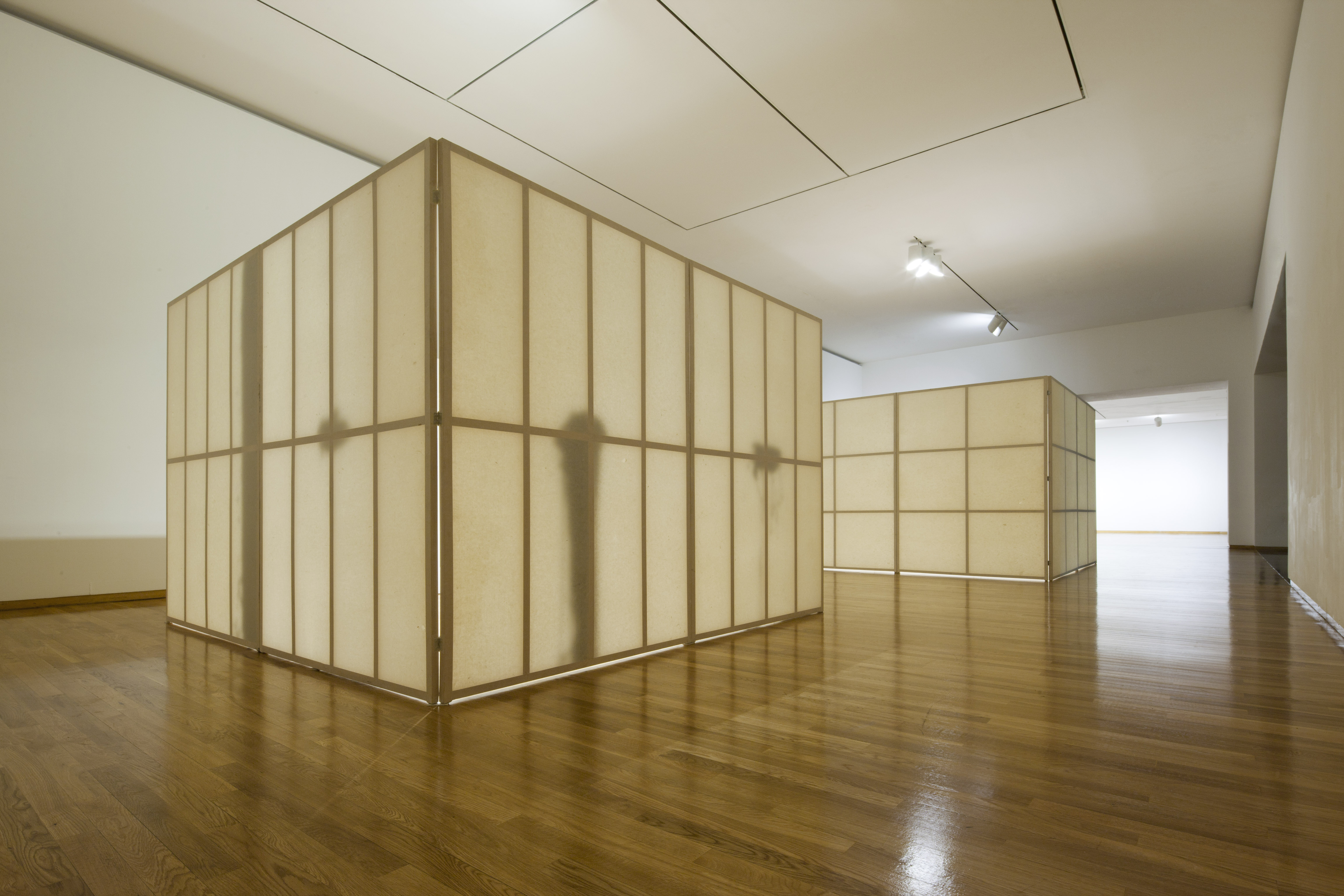
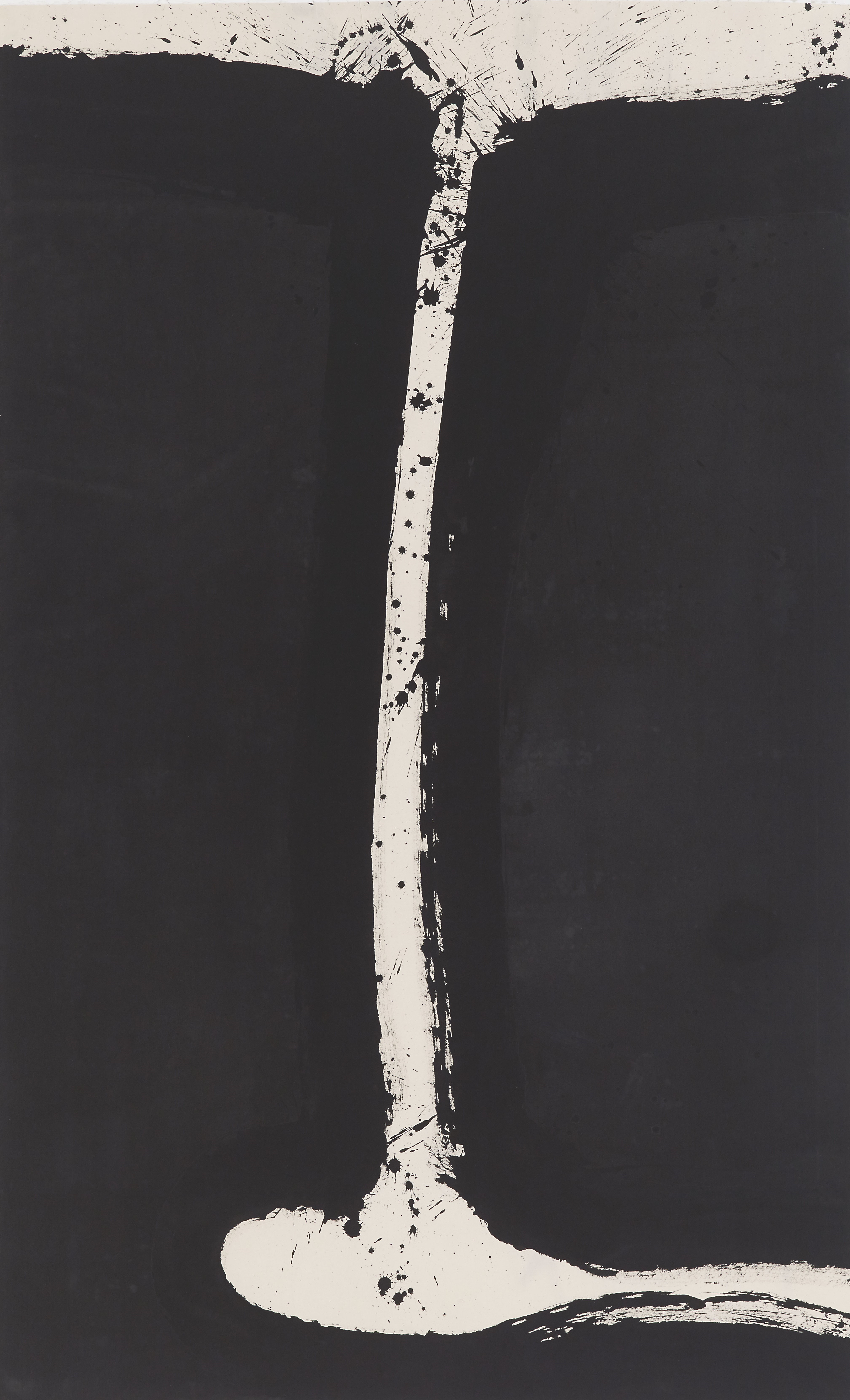
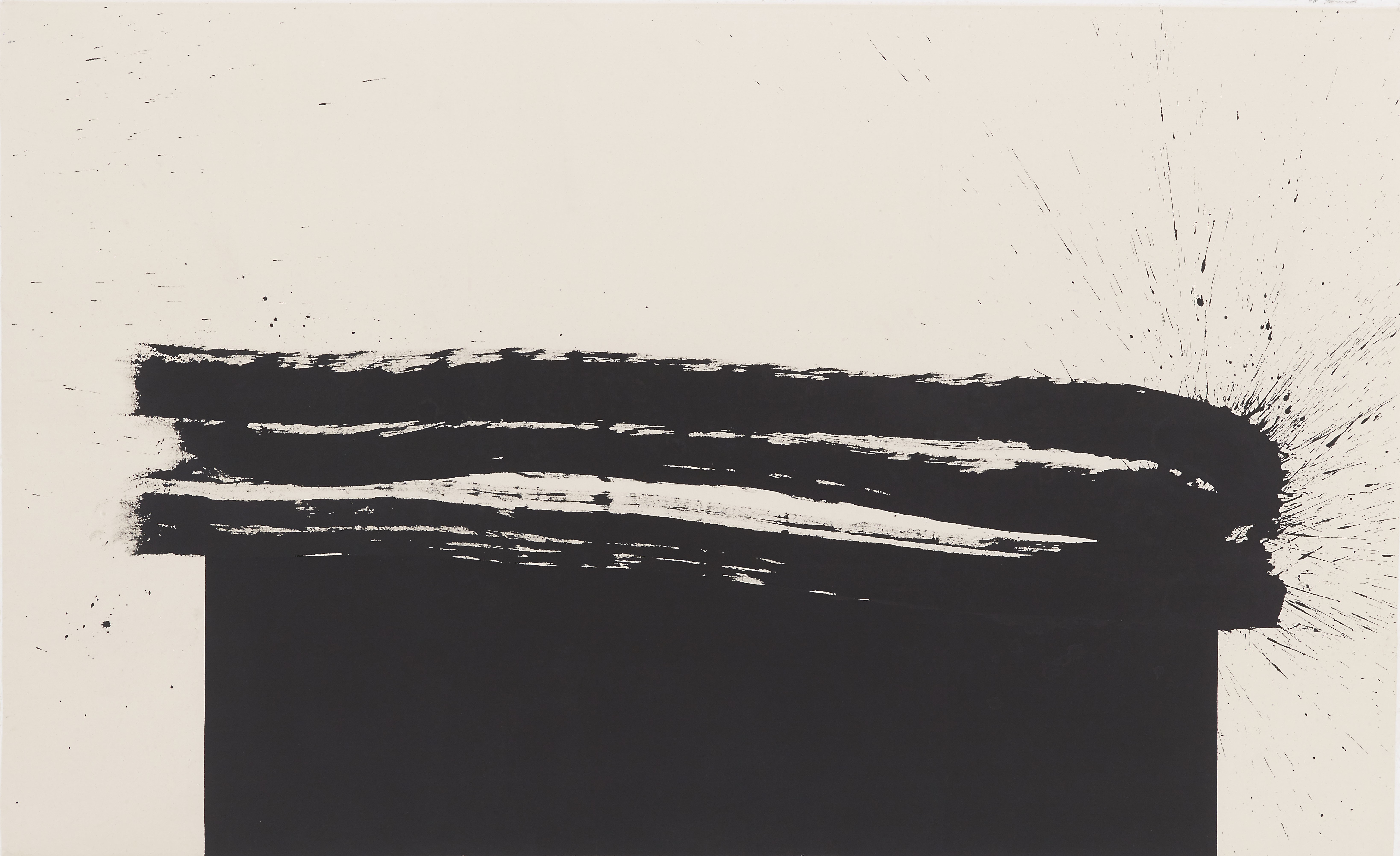
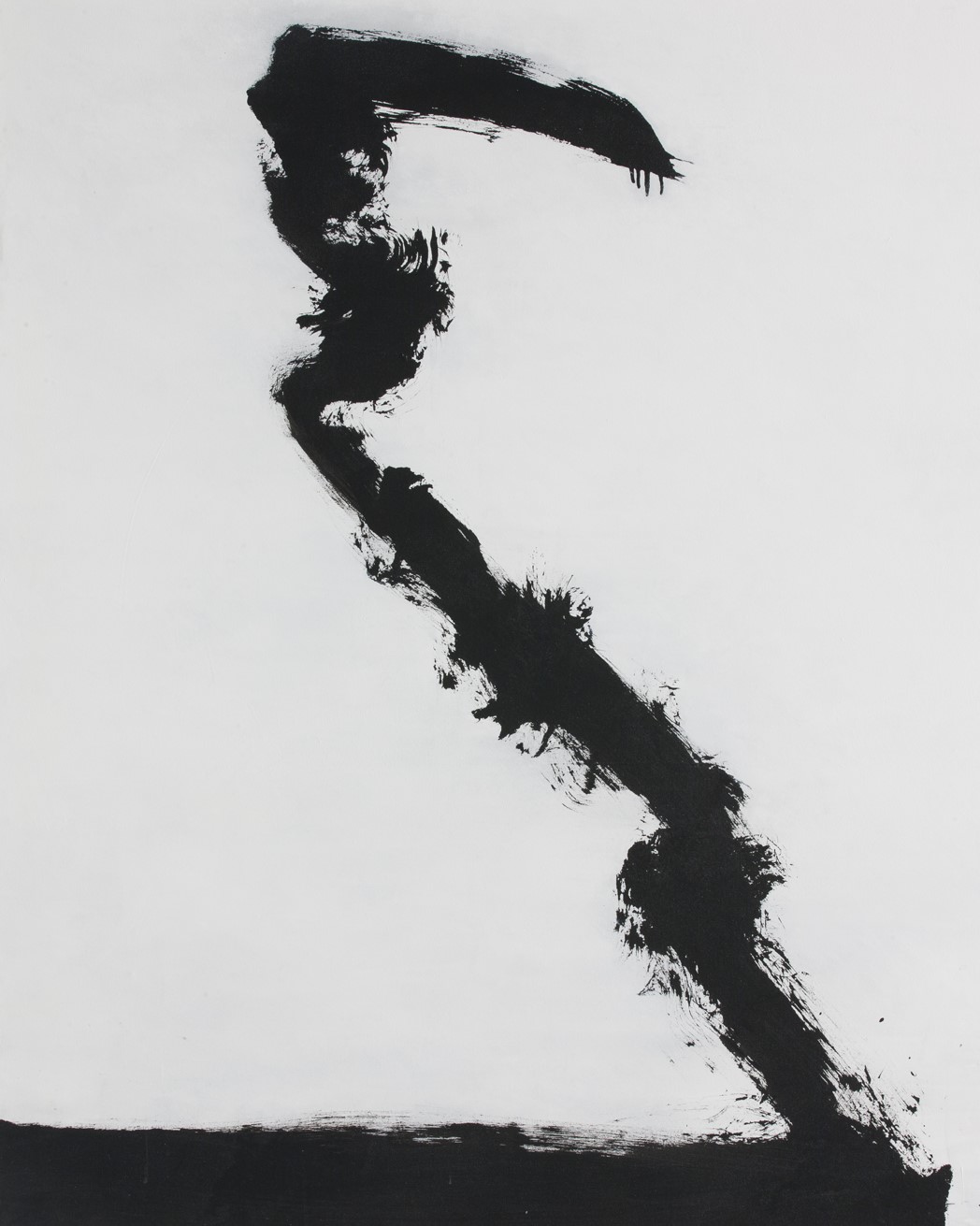
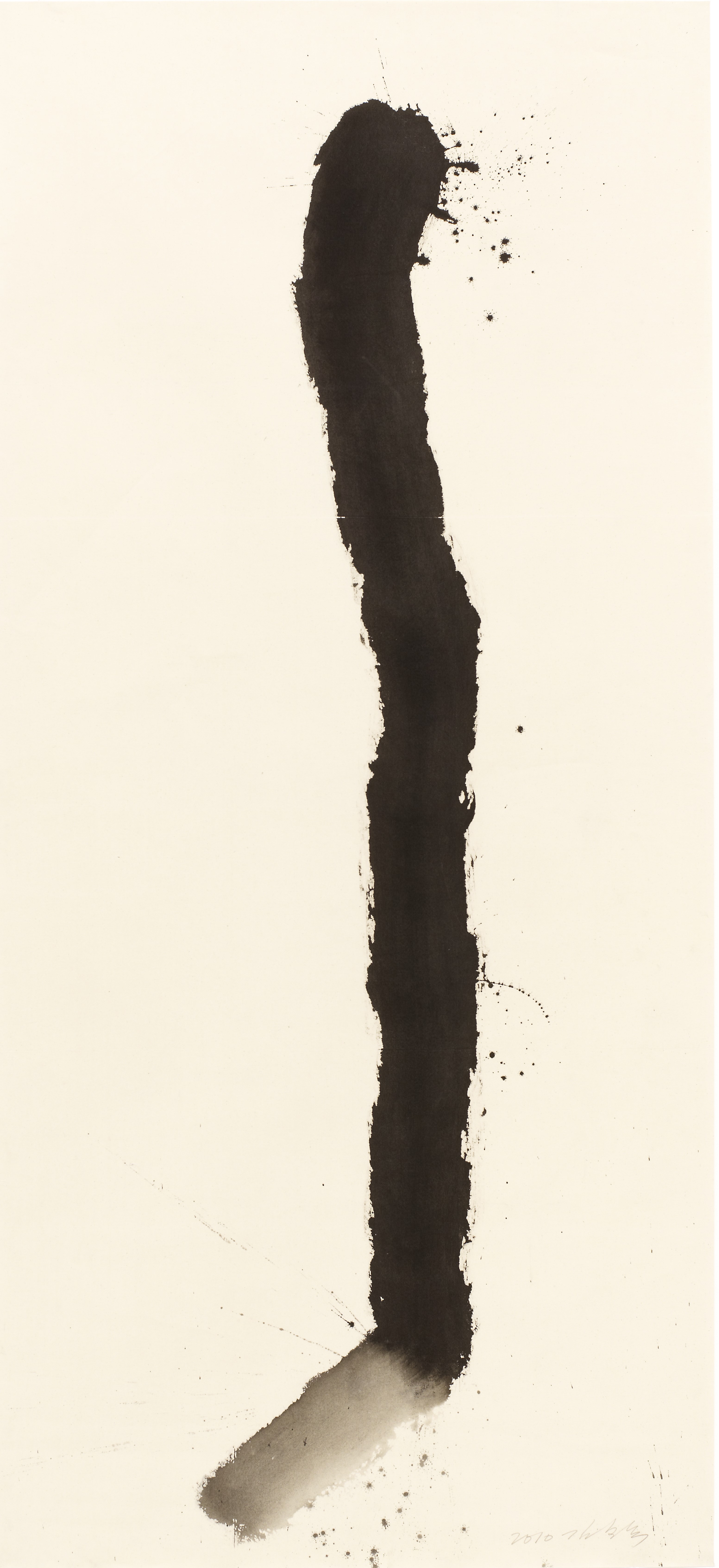
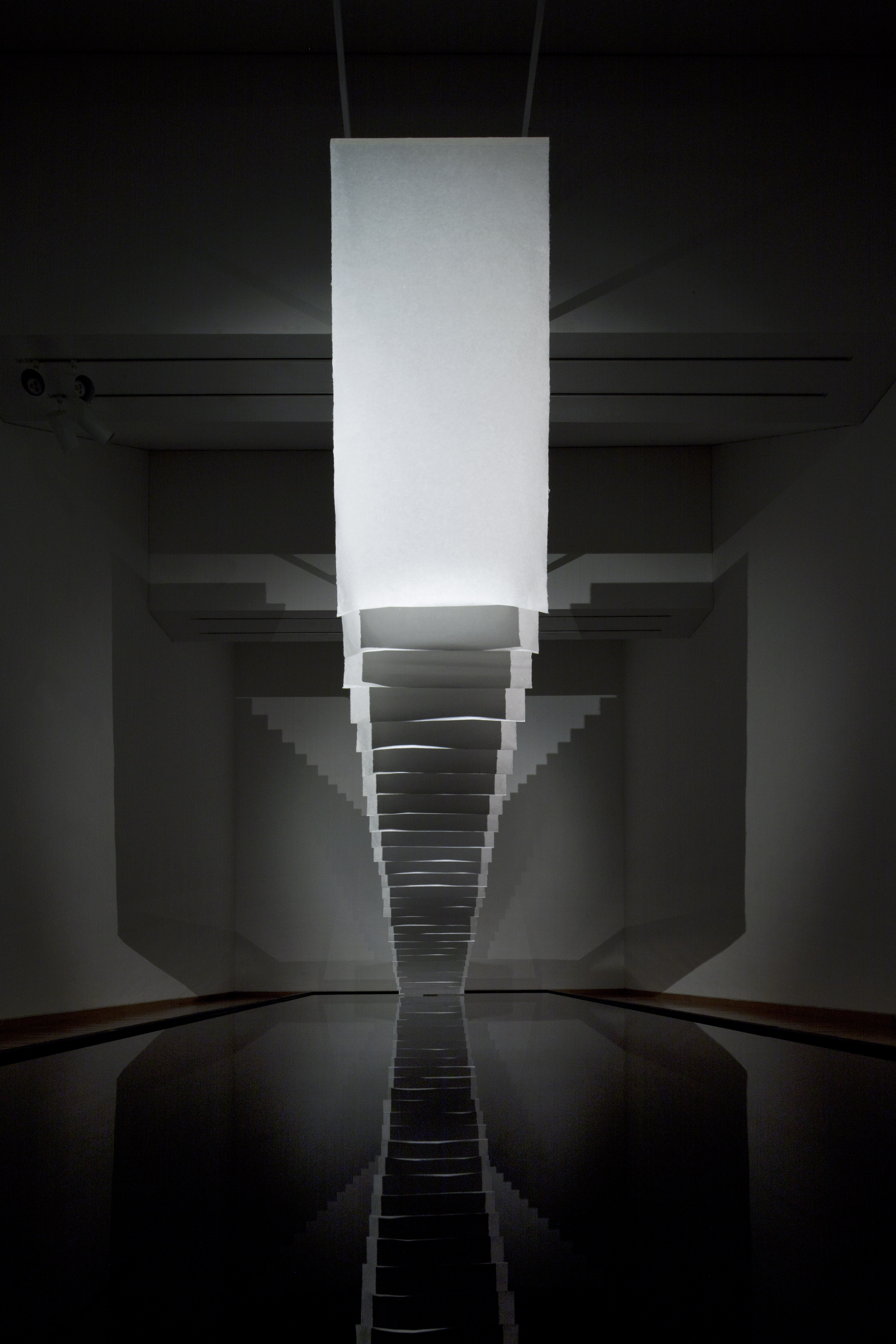
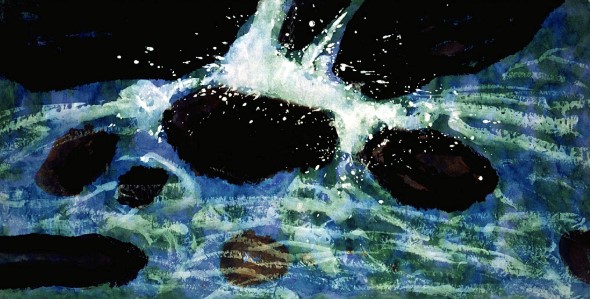
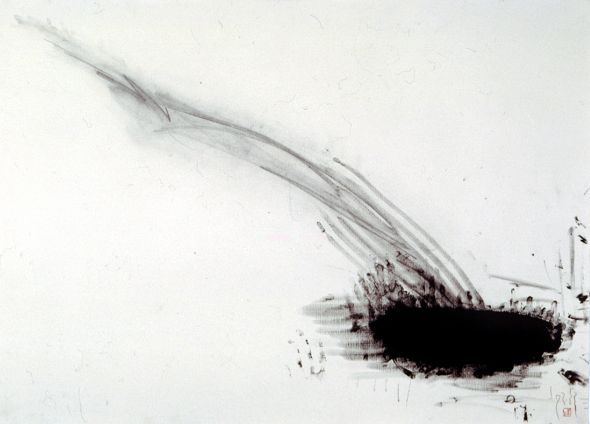
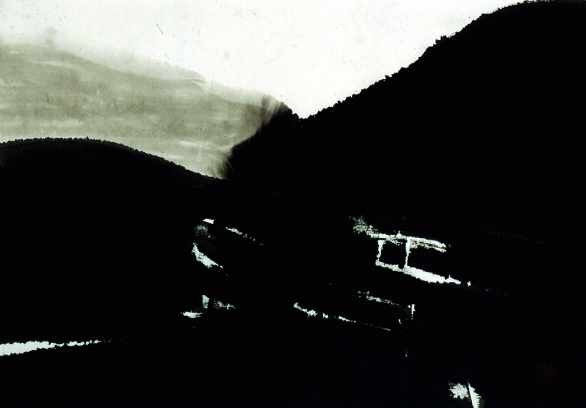
김호득은 오랜 시간 지필묵이라는 전통 매체를 통해 ‘기운생동(氣韻生動)’의 정신을 시각화해왔다. 전통적인 사경 산수와 진경 산수를 넘나들며 구축한 조형 언어는 한국 수묵화의 경계를 확장해왔다는 평가를 받고 있다. 광목천 위에 펼쳐진 그의 운필은 실제 풍경을 해체하고, 미분된 감각의 단위로 재조립되어 관람객에게 깊은 에너지를 전달한다. 특히, 물감을 흡수하지 않고 튕겨내는 광목천의 재질 위에 구현된 수직의 물줄기는 작가의 신체성과 자연의 기운이 맞닿는 지점에서 탄생한 표현으로, 화면을 뚫고 나오는 듯한 강한 직관성과 시각적 충격을 동반한다. 관람자는 이 자유로운 필획을 따라가며 전시장 전체에 진동하는 기운, 그리고 존재의 근원에서 솟아나는 생동감을 온몸으로 체험하게 된다.
Kim Hoduck has long visualized the spirit of 𝘨𝘪𝘶𝘯𝘴𝘢𝘦𝘯𝘨𝘥𝘰𝘯𝘨(氣韻生動, the principle of “vital resonance and dynamic vitality”) through the traditional medium of ink and brush on paper. Moving fluidly between classical 𝘴𝘢𝘨𝘺𝘦𝘰𝘯𝘨 landscapes (寫景山水, representational landscape painting) and 𝘫𝘪𝘯𝘨𝘺𝘦𝘰𝘯𝘨 landscapes (眞景山水, Korean “true-view” landscape painting based on real sites), he has developed a distinctive visual language that is widely regarded as expanding the boundaries of Korean ink painting. Unfolded across unbleached cotton cloth, his brushwork dismantles actual scenery and reassembles it into finely differentiated units of sensation, transmitting a profound sense of energy to the viewer. In particular, the vertical streams rendered on cotton fabric—whose surface repels rather than absorbs pigment—emerge at the point where the artist’s physicality meets the vital force of nature. These forms convey an intense immediacy and visual impact, as if piercing through the picture plane itself. As viewers follow the liberated strokes, they encounter a vibrating energy that fills the exhibition space, experiencing with their entire body the vitality that rises from the very origin of existence.